Around 50 kilometres separate Cascais from the first wine cellars of Azeitão, but this is not a day to measure by distance alone. A well-planned Arrábida food tour from Cascais combines a morning wine tasting, the region’s soft sheep’s cheese, a scenic drive through the Serra da Arrábida and a long seafood lunch in Sesimbra. The order matters: book the winery first, leave room for the coast, and do not volunteer to drive if you genuinely want to explore the wines.
Why Azeitão wine and cheese belong together
Azeitão sits on the northern side of the Arrábida hills, in the Setúbal Peninsula. It is the natural first stop after leaving Cascais because its two best-known products can be tasted without turning the morning into a marathon. Queijo de Azeitão DOP is a small, soft sheep’s milk cheese with a creamy centre, a gently tangy flavour and a rind that holds everything together. It is traditionally cut across the top rather than sliced into wedges, allowing the centre to be spooned onto bread.
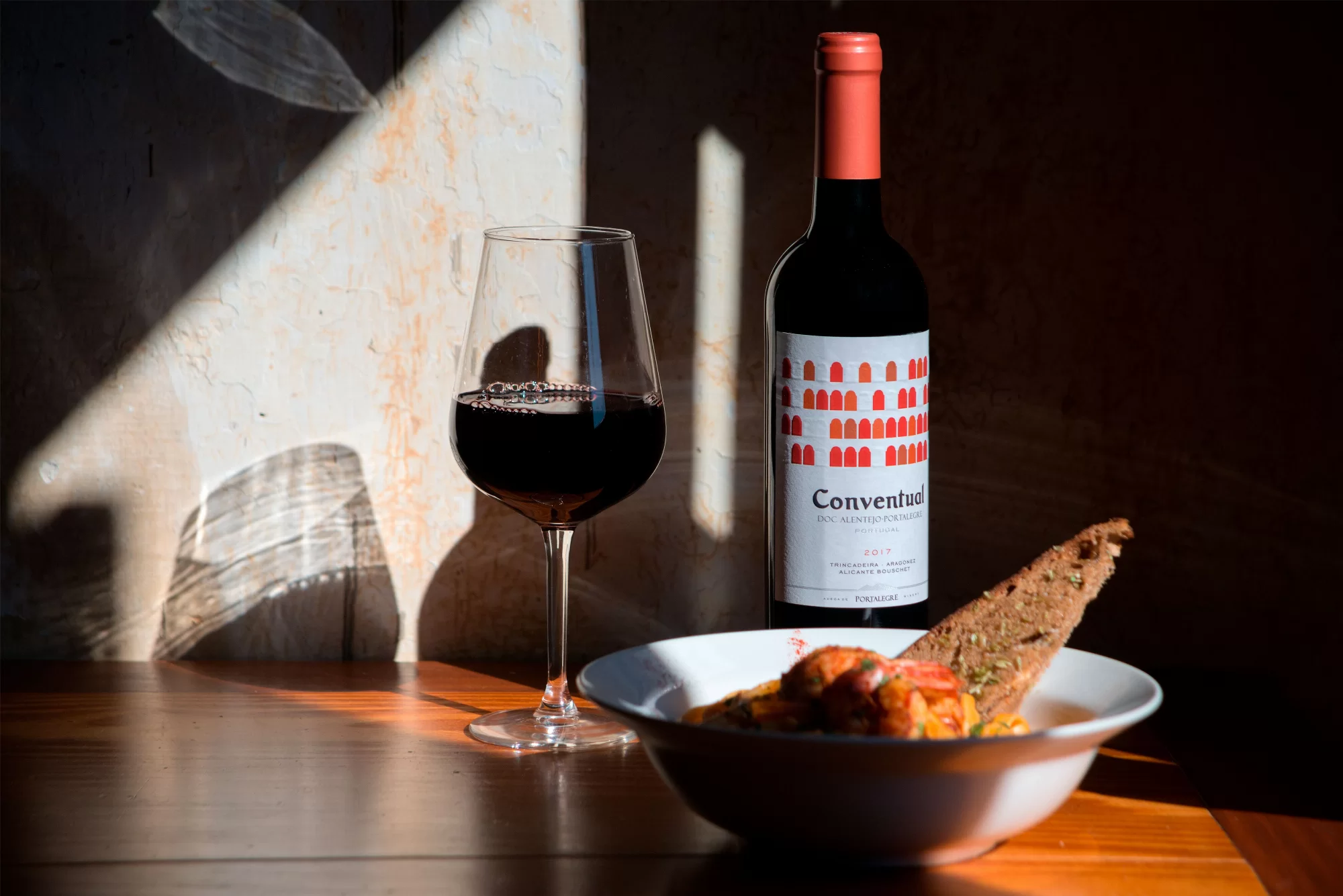
The surrounding wine region offers much more than a single style. Dry whites can be fresh enough for grilled fish, while reds tend to suit richer meat dishes and mature cheese. The distinctive local bottle, however, is Moscatel de Setúbal, a fortified muscat wine with floral, citrus-peel and dried-fruit notes. Its sweetness works particularly well with regional pastries or a stronger piece of cheese, though it is also interesting on its own. Ask to compare a dry table wine with Moscatel rather than tasting several similar bottles; the contrast teaches you far more about the area.
Two established names in Azeitão are José Maria da Fonseca, whose museum house is in Vila Nogueira de Azeitão, and Bacalhôa, also associated with wine experiences in the area. Tasting formats, visiting hours and availability change, so neither should be treated as a casual drop-in. Reserve directly in advance and confirm whether the visit includes cellars, a guided explanation and food. If cheese is your priority, ask specifically whether it forms part of the tasting rather than assuming it will appear.
How to pace an Arrábida food tour from Cascais
Leave Cascais in the morning, but resist the temptation to schedule the first tasting immediately after arrival. Traffic around Lisbon and the crossing of the 25 de Abril Bridge can make journey times unpredictable, particularly on weekdays. A late-morning winery appointment gives you a sensible buffer without requiring an unnecessarily early start.
If you'd rather skip the parking and the timing altogether, this is exactly the kind of day our driver-guides run regularly.
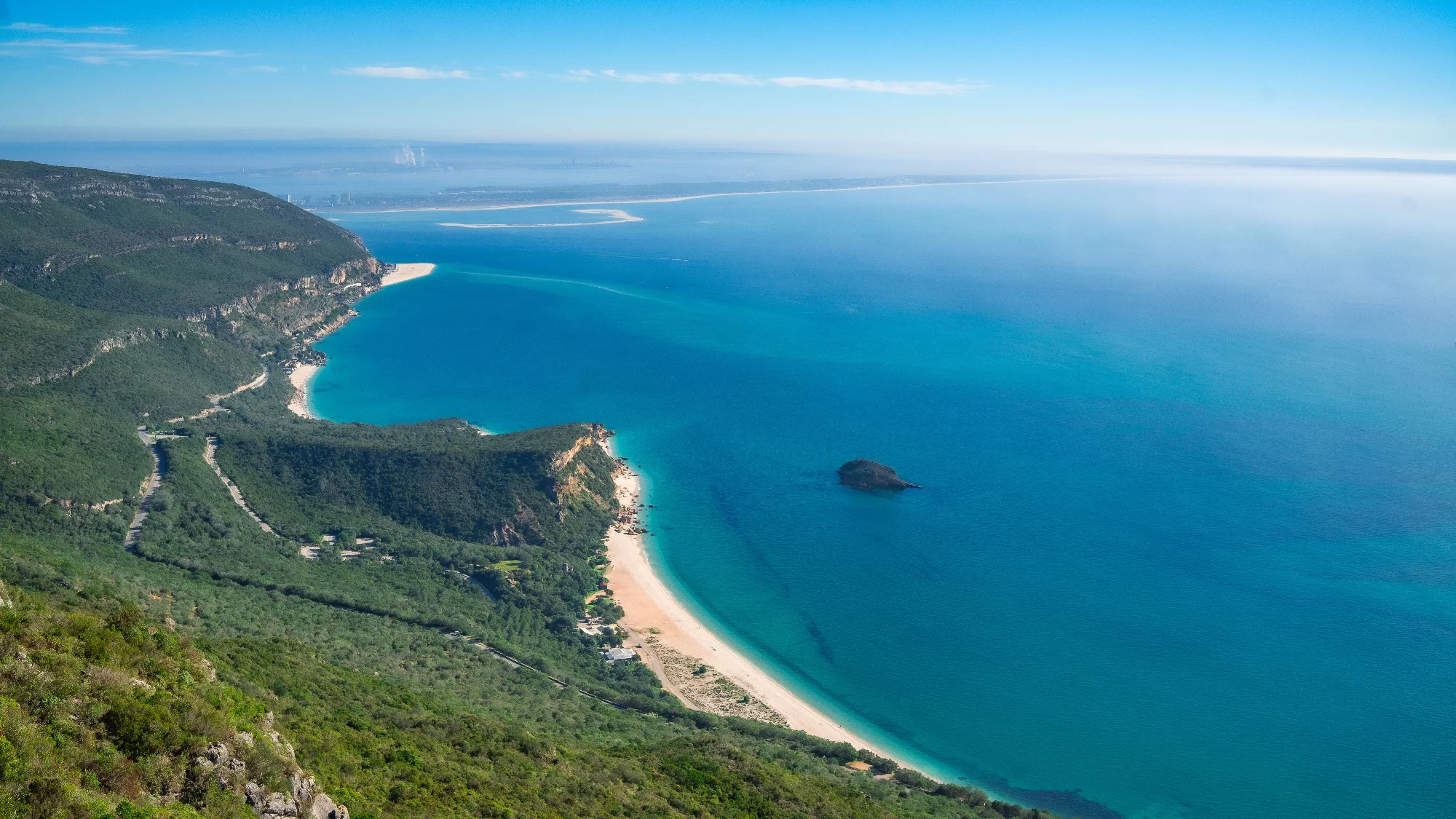
See Private Tours →One substantial winery visit is enough. A cellar tour and tasting can easily occupy the heart of the morning, especially when the host explains grape varieties, ageing and the history of Moscatel de Setúbal. Trying to squeeze in two producers before lunch often means watching the clock through both. After the tasting, spend a little time in Azeitão over cheese, bread or a coffee, then continue into the Serra da Arrábida. The hill roads and Atlantic views are part of the day, not dead time between meals.
- Late morning: arrive in Azeitão for one reserved cellar visit and a focused wine tasting.
- Before lunch: sample Queijo de Azeitão with bread, keeping the portion modest enough to preserve your appetite.
- Early afternoon: cross the Arrábida hills, allowing time for one or two safe scenic stops rather than pulling over wherever a view appears.
- Mid-afternoon: settle into lunch in Sesimbra, where a slower meal is more rewarding than a rushed table booked too early.
- Late afternoon: walk beside the seafront before returning to Cascais, with an optional coffee instead of another formal tasting.
A good food day in Arrábida should feel like one long meal with a mountain drive in the middle, not five appointments competing for your attention.
What to order during a Sesimbra day trip from Cascais
Sesimbra is a fishing town on the southern side of the peninsula, and lunch is the point at which the itinerary should slow down. Choose a restaurant in the town rather than trying to eat at a viewpoint in the hills. Menus vary with the catch, but grilled whole fish is usually the clearest expression of the coast: simple seasoning, potatoes or vegetables, and no elaborate sauce hiding the flavour. Ask what is fresh and how the fish is priced before ordering, particularly when the menu lists it by weight.
Seafood rice, fish stew and shellfish can be excellent alternatives, but they create a different kind of meal. Rice and stews are filling and often designed for sharing, while grilled fish leaves more room for dessert. If two people want to sample broadly, a sensible order is one shared starter followed by a whole fish or a pot dish for the table. Do not order several shellfish starters simply because they arrive quickly; the bill and the amount of food can climb before the main course appears.
A reservation is wise on sunny weekends, during Portuguese holiday periods and throughout the busier summer months. Ask for a normal dining-room table rather than insisting on the closest seat to the sea. The most exposed terraces can be windy, and the best view does not compensate for fish cooling on the plate. Allow at least a relaxed hour and a half for lunch. Portuguese service is not designed around visitors racing back to a vehicle after forty minutes, and this meal should be the centre of the Sesimbra day trip from Cascais.
This is one of the routes our driver-guides know particularly well, if you'd rather sit back and let someone else handle the day.
Explore Tours →Should you self-drive or use a driver-guide?
Self-driving offers flexibility and can cost less for a family or small group, but only if one person is content to drink very little. That person also has to manage bridge traffic, narrow or twisting roads through Arrábida and parking in Sesimbra. Summer access rules and temporary road restrictions around the natural park can change, so check the current route shortly before travelling rather than relying on an old map or blog post.
A driver-guide is the better choice for most wine-focused visitors. Everyone can taste, nobody needs to calculate whether a second pour is sensible, and the route can be adjusted if lunch runs long. A local guide can also coordinate appointment times and choose legal stopping places in the hills. Clarify in advance whether winery fees and lunch are included, and whether the day is a private itinerary or a shared excursion. Those details have a much bigger effect on the experience than the model of vehicle.
Cycling is normally the first way we recommend exploring the Cascais coast, but it is not the practical transport for this particular food day. Riding from Cascais to Azeitão involves a major urban crossing and roads chosen for transport rather than pleasure, while wine tasting and a long lunch are poor preparation for a demanding return. Even strong cyclists would be better treating Arrábida as a separate cycling trip with an appropriate start point, not as a pedal-powered extension of lunch. For this itinerary, use a driver-guide or designate a sober driver.
Small reservation details that can save the day
Begin with the winery because it is the least flexible element. Confirm the language of the visit, the tasting duration and whether children can join; some producers welcome families but may offer a shorter format or restrict access to particular cellar areas. Mention allergies when arranging any cheese component, and remember that Queijo de Azeitão is made from sheep’s milk. Visitors avoiding alcohol should ask whether grape juice or another alternative is available rather than expecting it automatically.
A private tour covers this route without you having to think about logistics — just show up and go.
Book a Tour →Book lunch with enough margin after the winery. A tasting that finishes at noon does not guarantee arrival in Sesimbra shortly afterwards: conversations over the final glass run long, hill roads are slow, and scenic pauses are difficult to predict. Keeping the afternoon loose also gives you room for a short seafront walk in Sesimbra. If rain or low cloud hides the Arrábida views, spend longer over lunch instead of forcing a sequence of misty roadside stops.
For the return, avoid adding another major attraction merely to fill the final hours. A food-led day works because its rhythm is different from a conventional sightseeing circuit. One winery, one cheese stop, the Arrábida crossing and one memorable meal are sufficient. Carry water, wear shoes suitable for uneven viewpoints and bring a light layer even when Cascais starts warm; conditions in the hills and on the Sesimbra waterfront can feel cooler.
Tomorrow’s Adventure is based at Cascais Train Station and can help arrange private car tours and transfers from Cascais, Sintra, Oeiras and Lisbon for an Arrábida and Sesimbra day. Back in Cascais, bike rental and guided bike tours remain the more enjoyable way to explore the local coast on days when wine tasting and a long-distance drive are not part of the plan.