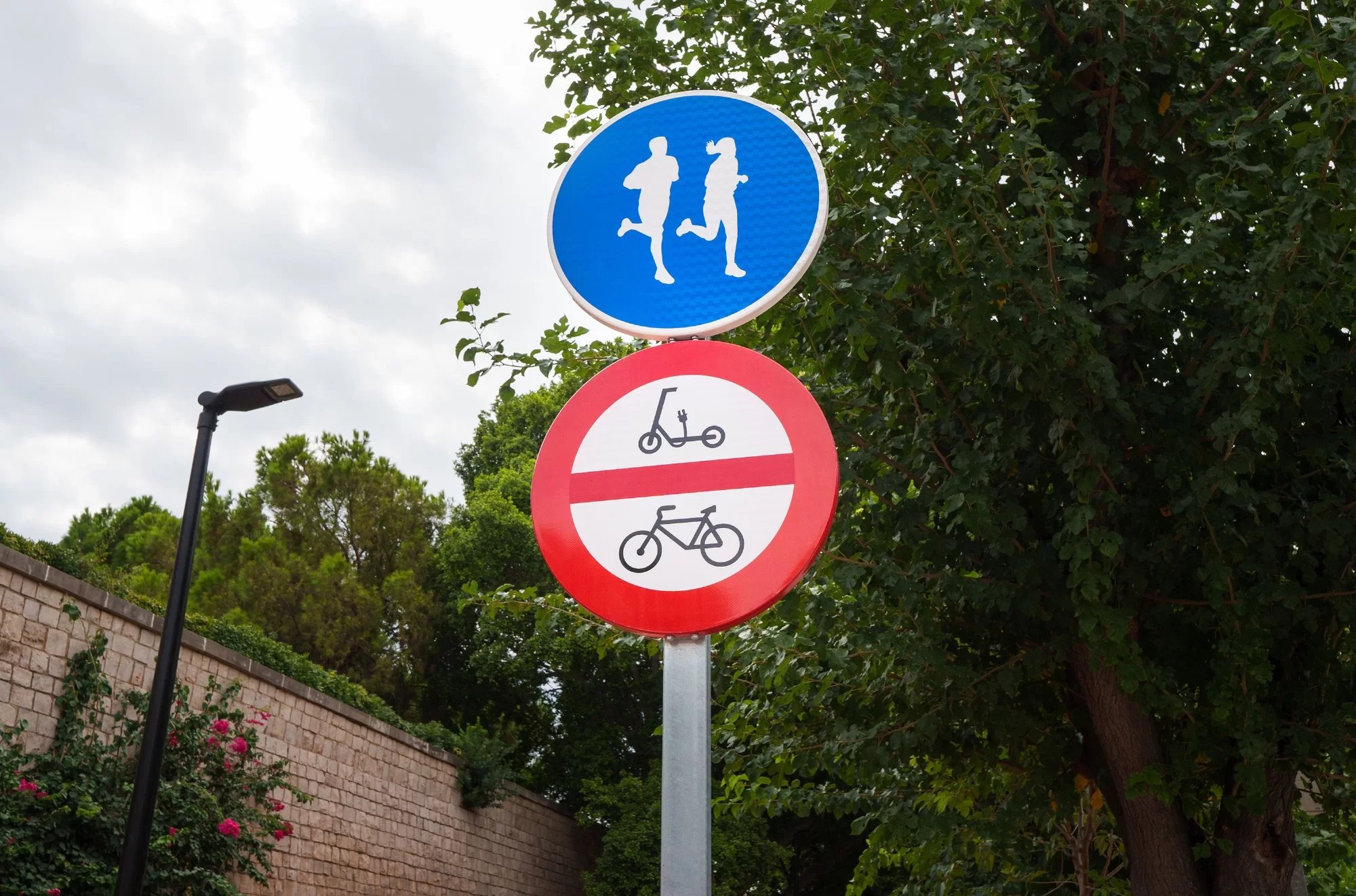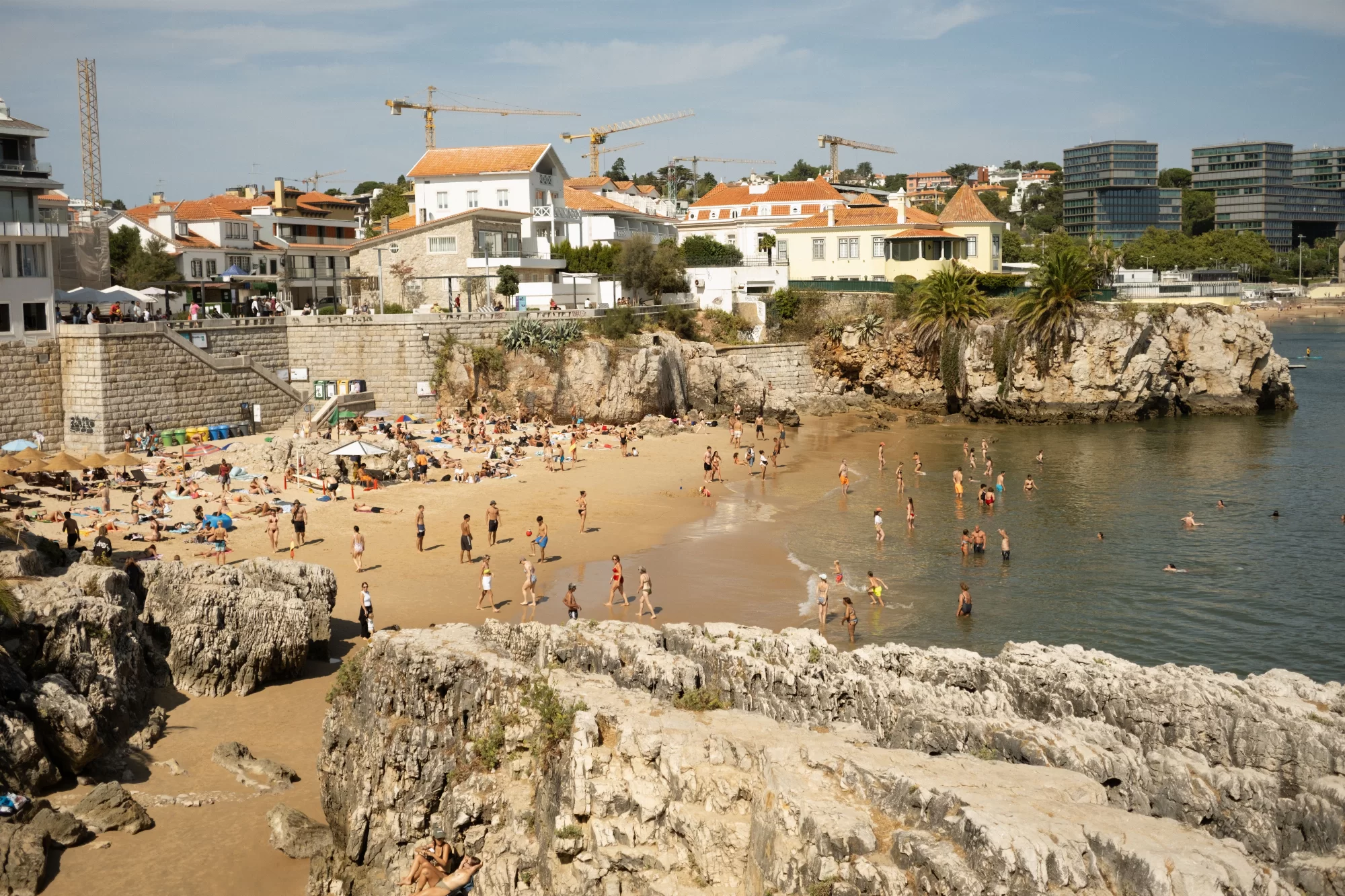

A calm start beside Cascais Train Station can become a stiff headwind before you reach Guincho Beach. This guide explains how Cascais coastal wind affects effort and balance, how to read a useful forecast, what to wear without repeating a full seasonal kit list, and when shortening the ride is the sensible decision. The aim is not to defeat the Atlantic. It is to choose a pace and route that leave you in control.
Why the same route can feel completely different
A headwind increases resistance far more than many occasional cyclists expect. Doubling the wind speed does not simply make pedalling twice as hard, particularly once your own forward speed is added to the air moving against you. On an exposed section towards Guincho, a pace that felt comfortable through central Cascais may suddenly demand sustained effort. Shift into an easier gear, keep a steady cadence and accept the slower speed. Grinding a heavy gear usually tires your legs early without producing much extra progress.
A tailwind feels generous, but it can hide both your effort and your actual speed. Watch bends, pedestrians and junctions rather than letting the wind push you faster than your braking skills allow. Crosswinds are the greater balance problem. They can move the front wheel sideways, especially when a gust arrives after a wall, parked vehicle or dense patch of vegetation briefly sheltered you.
A windy ride is going well when you still have spare attention for the road, not when you have forced yourself to maintain a number on a screen.
How to check the Cascais cycling forecast
Do not rely on the weather symbol showing a yellow sun. Open the hourly forecast and look at sustained wind, gust speed and direction for the whole period you expect to be outside. The gap between average wind and gusts matters: a moderate average with much stronger gusts can be more awkward than a steady wind, particularly for a nervous rider or anyone carrying a child.
Renting a bike here takes about two minutes at the counter, and it's usually the fastest way to actually do what's described above.
Book a Bike →Direction also changes the character of the ride. The coast bends, buildings create pockets of shelter, and the exposed stretch beyond Casa da Guia towards Guincho Beach can feel very different from central Cascais. If possible, begin by riding into the wind. You will work harder while fresh and may receive some help on the return. Treat that as a preference, not a promise; coastal conditions can shift during a long lunch or beach stop.
- Compare at least two recent forecasts if the gust figures differ sharply.
- Check the hour of your return, not only the conditions at departure.
- Notice whether a rain band or weather front is expected to strengthen the wind.
- Ask the rental team about current conditions on the exposed coastal section.
- Choose a shorter turnaround point before setting off, so changing the plan does not feel like failure.
How to control a bike in headwinds and crosswinds
Relax your shoulders and elbows while keeping both hands securely on the handlebar. A rigid grip makes every gust feel abrupt and encourages overcorrection. Look ahead, hold a predictable line and make small steering adjustments. In a crosswind, give yourself room where traffic conditions permit, because riding inches from a kerb leaves no margin if the bike shifts sideways. Take particular care when passing openings between buildings or emerging from shelter near the coast.
Lowering your torso slightly can reduce the surface presented to a headwind, but an extreme racing position is a poor trade if it reduces visibility or braking control. On a rental bike, correct sizing and familiar controls matter more than trying to become aerodynamic. Before leaving central Cascais, confirm that you can reach both brakes comfortably and change gear without looking down. An e-bike can reduce the strain of a headwind, although strong wind still affects balance and consumes battery more quickly than a calm ride.
Never draft closely behind another rider merely to escape the wind. If you are cycling as a pair or group, leave more stopping distance than usual and communicate before slowing. Riders of different strengths should regroup in sheltered places rather than making the least confident person chase through gusts.
We keep a full range of sizes — plus a few e-bikes for windier days — at the station, if you'd rather ride than walk between these spots.
See Our Bikes →What clothing works in strong coastal wind
The main problem is not simply feeling cold. Loose fabric catches the wind, flaps distractingly and can interfere with control. Choose a close-fitting outer layer that blocks wind but can be opened or removed when your effort rises. A lightweight jacket is generally more manageable than a loose poncho on an exposed ride. Secure long straps, avoid trailing scarves and close bags properly before departure.
Glasses are useful even without strong sunshine because wind carries dust, sand and insects. Gloves improve grip if your hands become cold or sweaty, while a properly fitted helmet should sit level and remain secure without relying on an overtightened chin strap. If you stop near Boca do Inferno or Guincho Beach, put a layer on before you cool down. The return may be easier with a tailwind, but the air can still chill damp clothing.
When turning back is the right call
Windy bike ride safety depends on judgement rather than a universal wind-speed limit. Rider experience, body size, bike type, luggage and traffic exposure all change what feels controllable. Turn back if repeated gusts push you off your intended line, if you cannot signal without wobbling, or if keeping the bike straight requires constant tense effort. A child becoming frightened is also a clear reason to stop; pressing on rarely improves confidence.
If this has you itching to get moving, our bikes are ready to go right inside Cascais Train Station — no need to book far ahead outside peak summer.
Browse Bike Rental →If conditions worsen, do not wait for the most exposed point to reconsider. Slow down in a sheltered area, check the updated forecast and choose between returning, shortening the route or walking a difficult section. Get off before you feel out of control, not afterwards. Avoid stopping on a blind bend or where blowing sand reduces visibility. If riding back towards Cascais remains uncomfortable, find a safe sheltered place and arrange an alternative return rather than forcing the final kilometres.
Cycling Cascais in wind can still be an excellent coastal experience. Start conservatively, rent a bike that fits, judge gusts as carefully as average wind and keep an earlier turnaround point in mind. On the Atlantic coast, changing the plan is not surrender. It is what allows you to finish with steady hands, enough energy and a good memory of the ride.