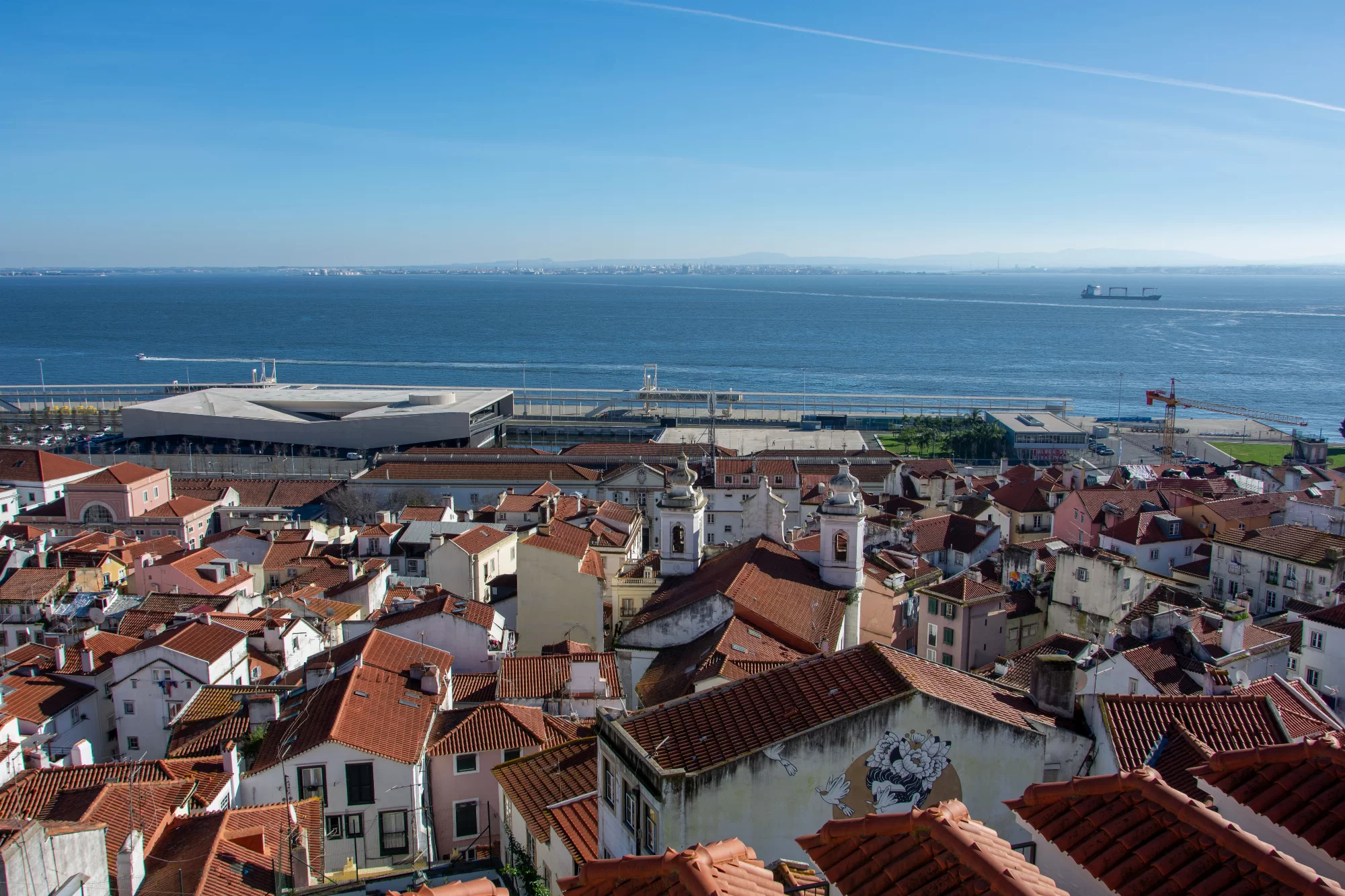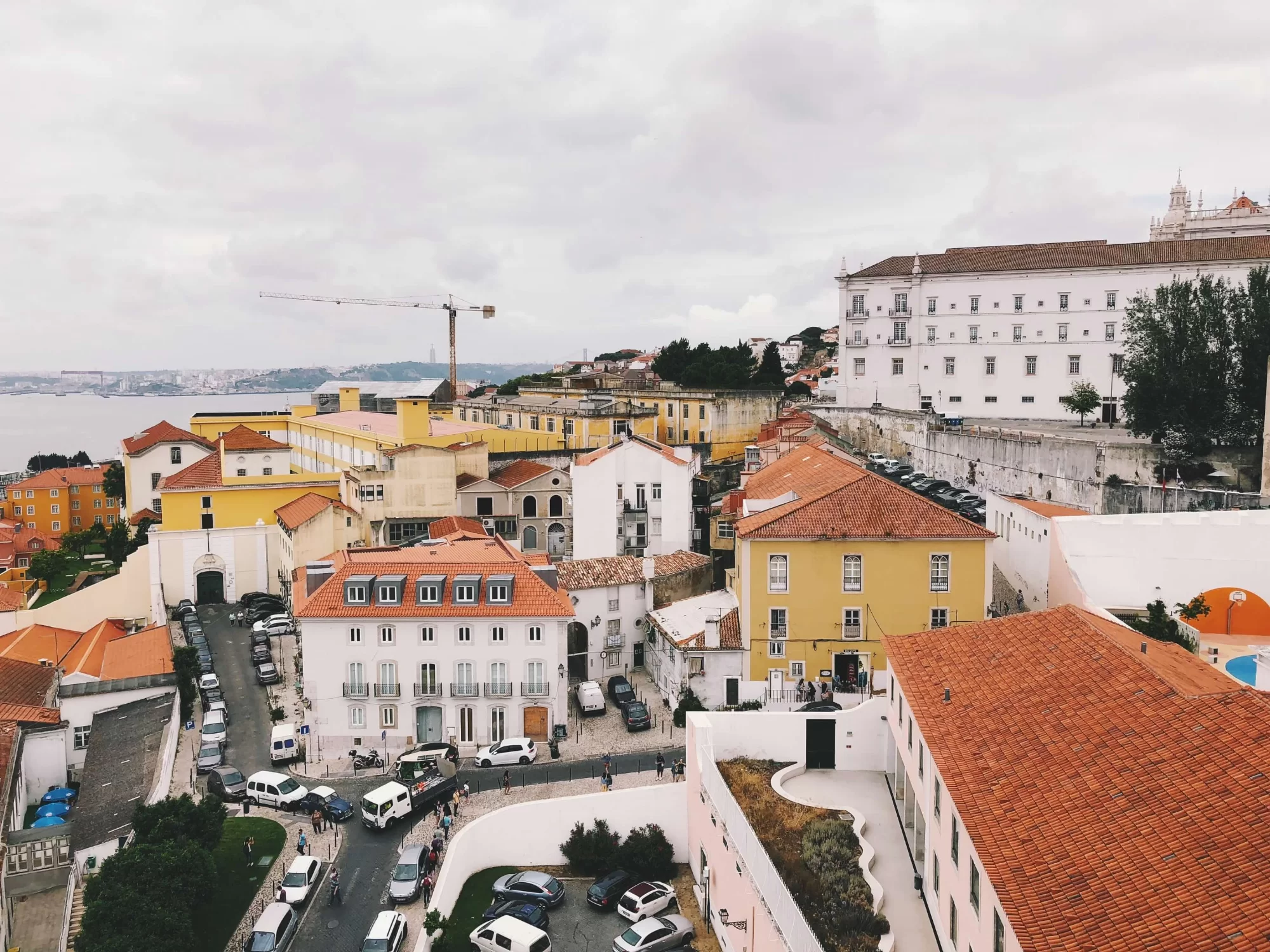
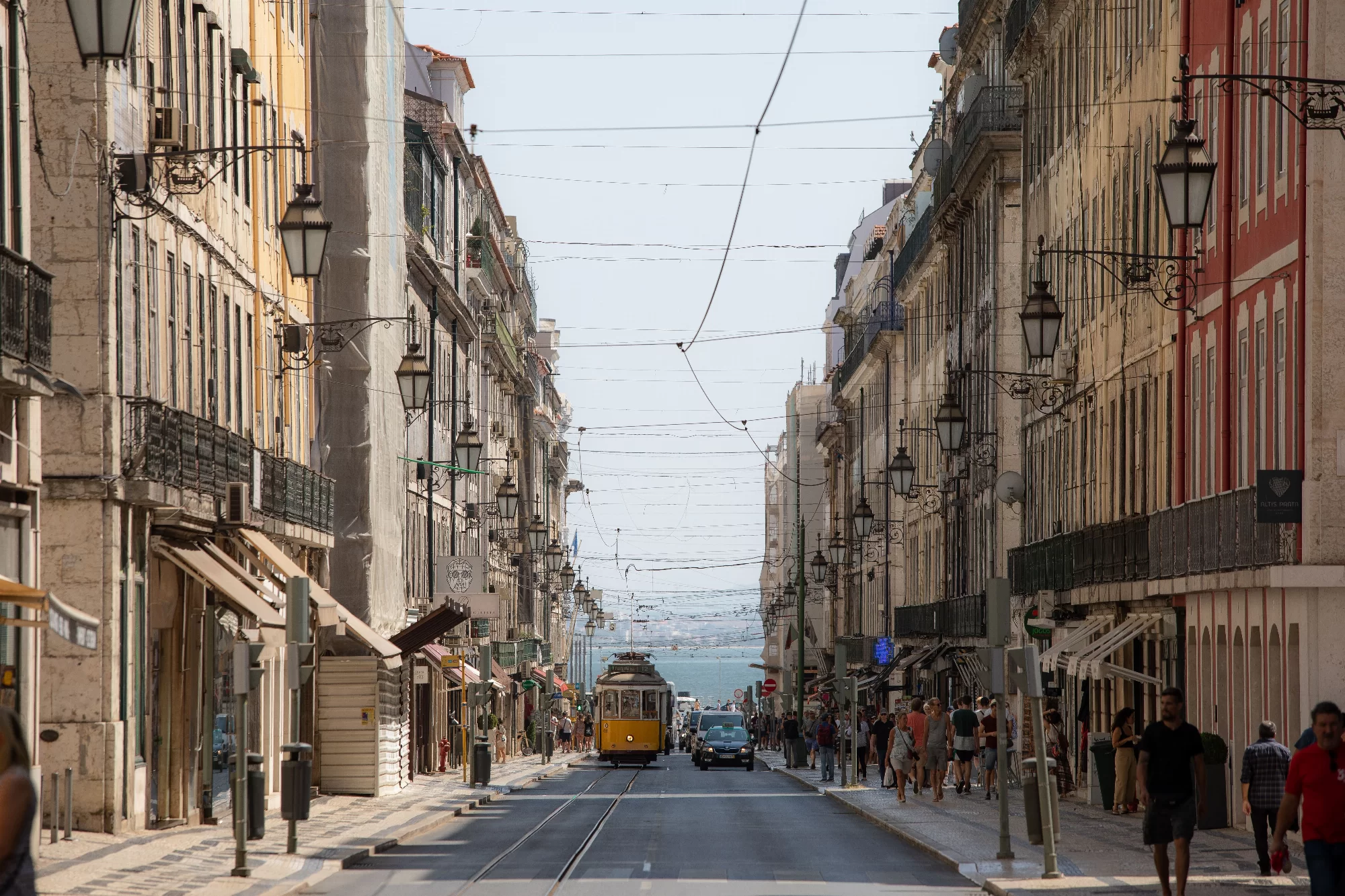
Two neighbourhoods, one major attraction and an early lunch are enough for a rewarding day in Lisbon with kids. This flexible family day trip from Cascais starts with an easy riverside walk near Cais do Sodré, continues through Praça do Comércio and finishes with a choice of indoor attractions in Parque das Nações. It also leaves room for snacks, pushchair delays, toilet stops and the sudden collapse in enthusiasm that often arrives after lunch.
Start with the train and keep the morning simple
For most families, the direct train from Cascais to Cais do Sodré is the most practical way to reach Lisbon. Allow roughly 40 minutes for the journey itself, then add time for buying tickets, finding the right platform and getting everyone aboard. Check the current timetable before leaving, particularly at weekends or during engineering work. Child ticket rules can change, so confirm the correct fare rather than assuming younger passengers travel free.
Try to leave Cascais after the busiest commuter period but early enough to reach Lisbon during the morning. Around 9:00 to 9:30 usually gives families a useful balance. Children can eat a snack on the train, watch the coastline through the window and arrive without already having walked several kilometres. Keep one small bag accessible with water, wipes, sun hats and a change of clothes; placing everything underneath a pushchair makes every minor request unnecessarily complicated.
Once you leave Cais do Sodré station, head towards the Tagus and follow the broad riverside space at Ribeira das Naus. This is a gentle introduction to Lisbon: boats on the water, room to pause and no immediate climb into the city’s hillier streets. Continue towards Praça do Comércio, where children can move around more freely than they can in the narrow lanes elsewhere in the centre. The walk is short, but the paving can feel rough under small pushchair wheels. A compact pushchair with decent suspension is far more useful here than a lightweight model designed only for smooth shopping-centre floors.
A successful Lisbon family day is not the one with the most landmarks; it is the one that still feels enjoyable when the youngest traveller runs out of energy.
Build the Lisbon family itinerary around one central stop
Praça do Comércio should be the main sightseeing stop of the morning, not merely somewhere to rush through on the way to another attraction. The scale of the square, the river views and the yellow arcades give adults plenty to look at, while children have space to reset after the train. Stay aware of traffic around the edges and keep younger children close near the road and tram tracks.
If everyone is in good spirits, walk a little way into Baixa beneath the Arco da Rua Augusta. Do not automatically continue uphill or attempt to cover every central district. Lisbon’s patterned calçada pavements are beautiful but slippery when wet, and repeated kerbs quickly become tiring with a pushchair. A slow circuit through a few central streets, followed by a bakery stop, is more realistic than adding steep viewpoints or a crowded historic tram.
Tram 28 may look like a ready-made children’s ride, but it is a poor fit for this particular plan. It is often busy, boarding can involve high steps, and a pushchair may need to be folded while an adult also manages bags and a tired child. Save the trams for a quieter visit or admire them as they pass. For a short family day, walking on the flatter river side of Baixa gives you more control over the pace.
Door-to-door transport removes most of the friction described above — worth considering if you're travelling with luggage or on a tight schedule.
Book a Transfer →Use the late morning to decide whether the day should continue or contract. Families travelling with a toddler may be perfectly happy with the riverfront, the square and lunch before returning to Cascais. School-age children often have enough energy for one substantial afternoon attraction. Both outcomes count as a proper day in Lisbon.
Eat before everyone becomes hungry at once
Plan lunch earlier than you might on an adults-only trip. Sitting down around noon avoids the moment when a manageable queue becomes intolerable because two children are hungry and the baby needs changing. Baixa has plenty of restaurants and cafés, but entrances can be narrow and toilets may be reached by stairs. Ask about pushchair space before settling in rather than trying to manoeuvre through a packed dining room.
For a quick meal, choose a simple café near Praça do Comércio or return towards Mercado da Ribeira beside Cais do Sodré. The food hall inside the market offers variety, which helps when adults want Portuguese dishes and children want something familiar. It can become noisy and crowded, however, so it works best before the main lunch rush. One adult can find seats while the other orders, rather than moving the entire family through busy aisles.
If you would rather eat after crossing the city, Centro Vasco da Gama near Oriente provides predictable indoor seating, toilets and a broad range of food. It lacks the atmosphere of a small Lisbon restaurant, but convenience matters on a day involving young children. Pack one additional snack for the return journey even if lunch goes well. Fruit, a plain sandwich or a dry pastry survives a family bag better than anything covered in cream or chocolate.
- For babies: bring enough food and milk for delays, not just the planned journey time.
- For toddlers: offer a snack before boarding the metro so hunger does not become associated with a crowded carriage.
- For older children: let them choose one Portuguese pastry or drink, giving the meal stop a small sense of occasion.
- For everyone: use toilets at the restaurant, museum or shopping centre instead of relying on finding a convenient public facility later.
Choose one afternoon attraction in Parque das Nações
After lunch, make Parque das Nações the second and final area of the itinerary. From Cais do Sodré, the metro involves changing lines to reach Oriente. Families carrying a folded pushchair, several bags or a sleeping toddler may find a taxi or ride-hailing vehicle easier. If you use the metro, allow extra time for lifts and be prepared for an indirect route through larger stations. Lift access can occasionally be unavailable, so a pushchair that two adults can safely carry for a short staircase is useful.
If you're still weighing up how to actually get there, a pre-booked private transfer takes that decision off your plate entirely.
See Transfer Options →The Oceanário de Lisboa is the strongest all-round choice for mixed ages. Large viewing windows keep even young children interested, the building is indoors, and families can move through it at their own speed. It is still a substantial visit, so resist adding another museum simply because it appears close on the map. Check current admission arrangements and session times before travelling, especially during school holidays.
The Pavilhão do Conhecimento is the better alternative for energetic school-age children who want to touch, test and build rather than quietly watch marine life. Interactive exhibits can absorb several hours, and the indoor setting makes it particularly useful in heavy rain or summer heat. Choosing between these two attractions is the central decision in this Lisbon family itinerary. Trying to complete both after a morning in Baixa usually produces an expensive race through the second venue.
If attention spans are fading, skip the attraction and take a short walk along the Parque das Nações riverfront instead. The area is flatter and more open than central Lisbon, although cyclists, runners and pedestrians share some busy spaces. Centro Vasco da Gama offers an immediate indoor retreat if the weather turns or a child needs food, toilets or a quiet pause before the journey back.
Know when cycling, public transport or a transfer fits
Cycling is normally one of the best ways to explore the coast from Cascais, but riding all the way into Lisbon is not a sensible centrepiece for a day with toddlers or inexperienced young cyclists. The distance, urban traffic and need to manage both bikes and children on the return journey outweigh the benefits. Bringing several bicycles onto the train also complicates boarding, particularly when you already have a pushchair and bags.
Older, road-confident children may enjoy a separate Lisbon ride along flatter riverfront sections around Belém, but that requires its own route planning and should not be bolted onto this itinerary. Cycle lanes can end, pedestrian areas become crowded and tram tracks demand care. Families keen to ride are better off renting bikes in Cascais for a dedicated coastal outing, where bike size, child seats and confidence can be checked before departure, rather than treating cycling as another item to squeeze into a full Lisbon day.
A lot of what makes this tricky disappears once you're not the one driving or navigating — that's basically what a private transfer is for.
Arrange a Transfer →For this trip, the train should be the default. A private transfer becomes the better choice in poor weather, for a larger family group, or when mobility needs make station changes difficult. It can also protect a toddler’s nap on the return journey. A guided tour suits older children who enjoy stories and questions, but very young travellers generally benefit more from freedom to stop than from a fixed commentary and schedule.
Aim to leave Parque das Nações before everyone is exhausted. Travel back to Cais do Sodré with enough margin to find the Cascais train calmly, buy any necessary tickets and collect a simple snack. Avoid the evening commuter peak if possible; busy platforms and full carriages are harder with a pushchair and sleepy children.
The best family day trip from Cascais is deliberately adjustable. Start with the Lisbon riverfront, eat before energy drops and let one afternoon attraction carry the day. If rain, naps or sore feet change the plan, shorten it without apology. Lisbon will still be there for another visit, and children are far more likely to remember the aquarium window, the passing trams and a good pastry than a schedule packed with obligatory sights.