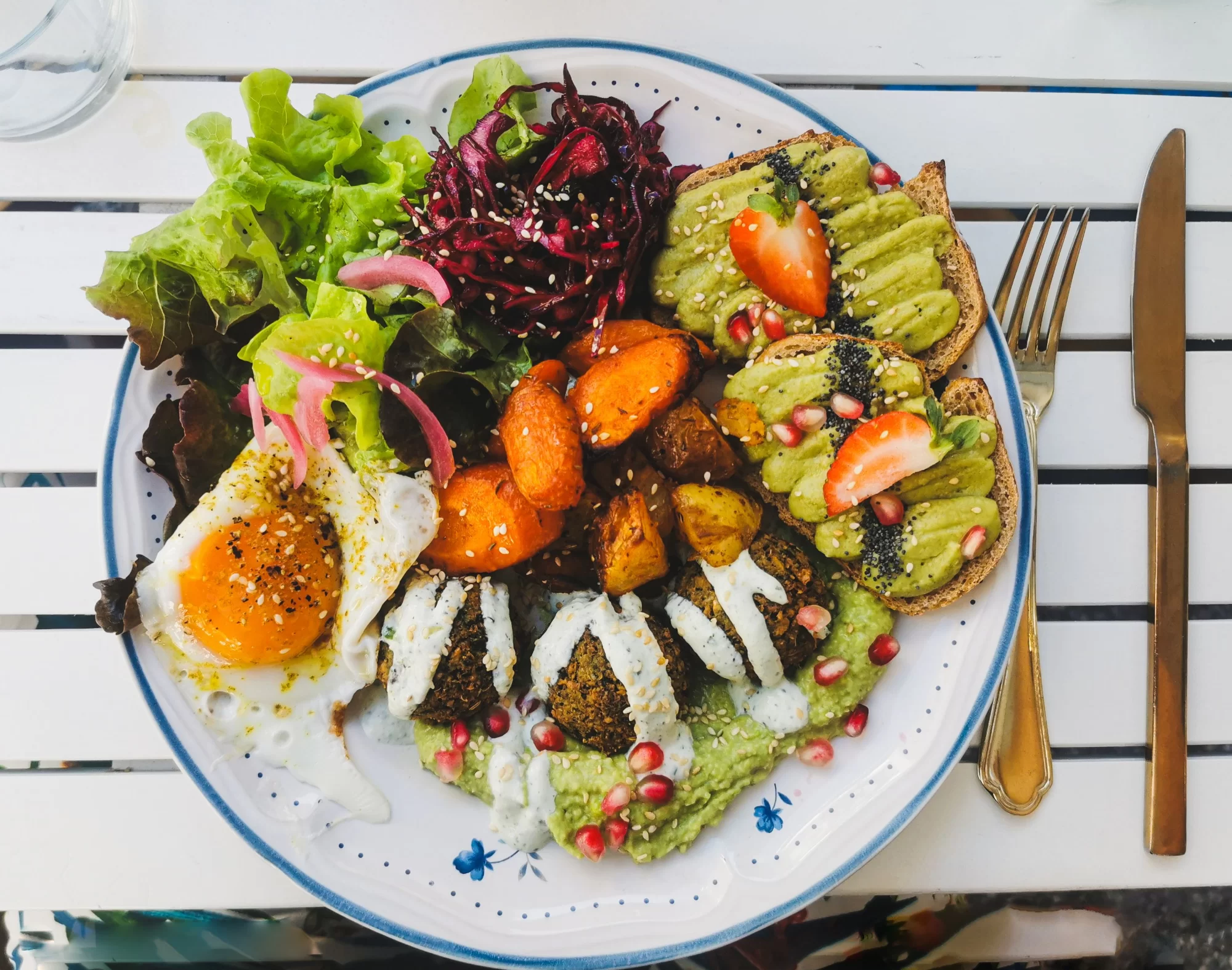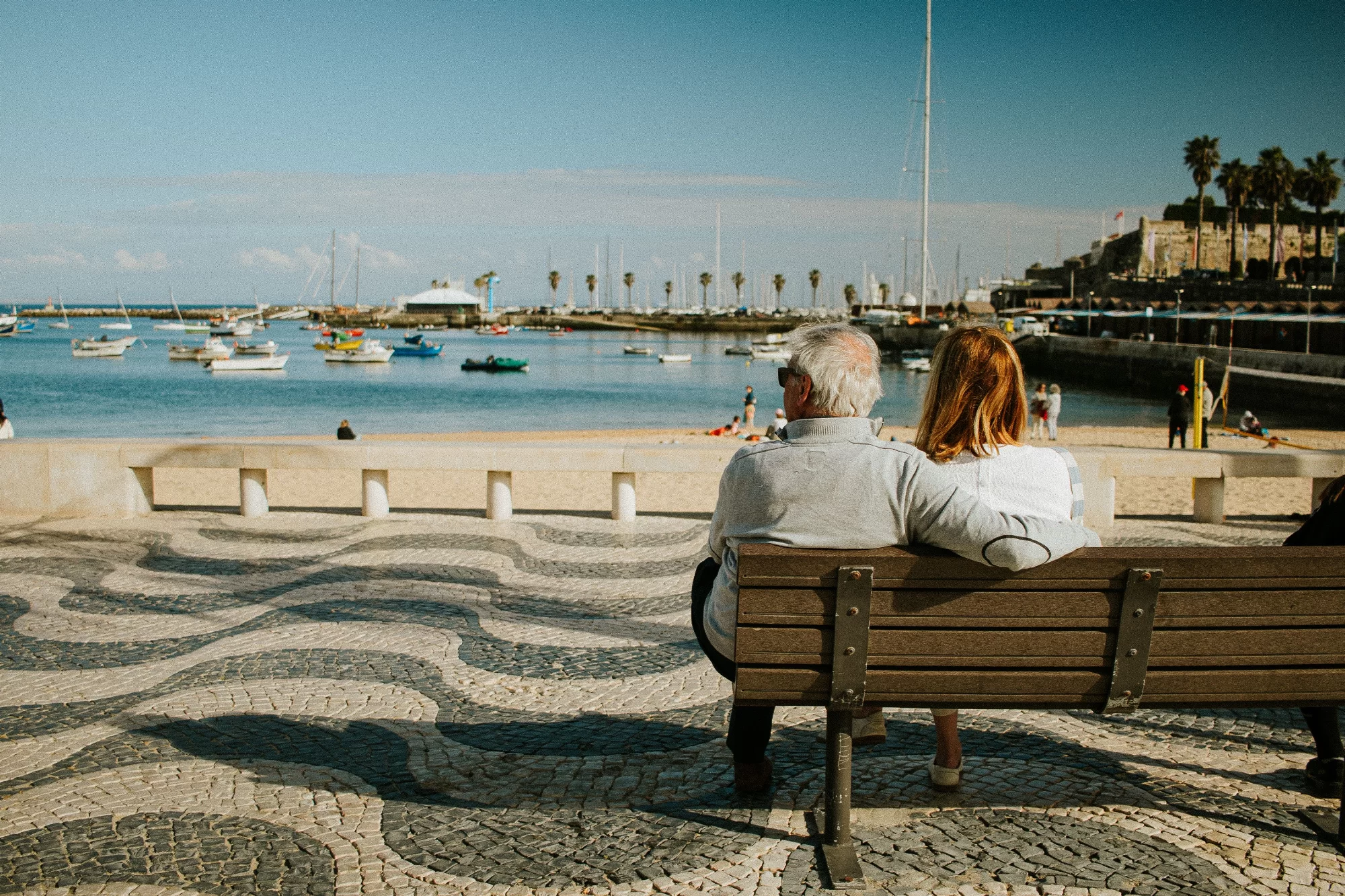
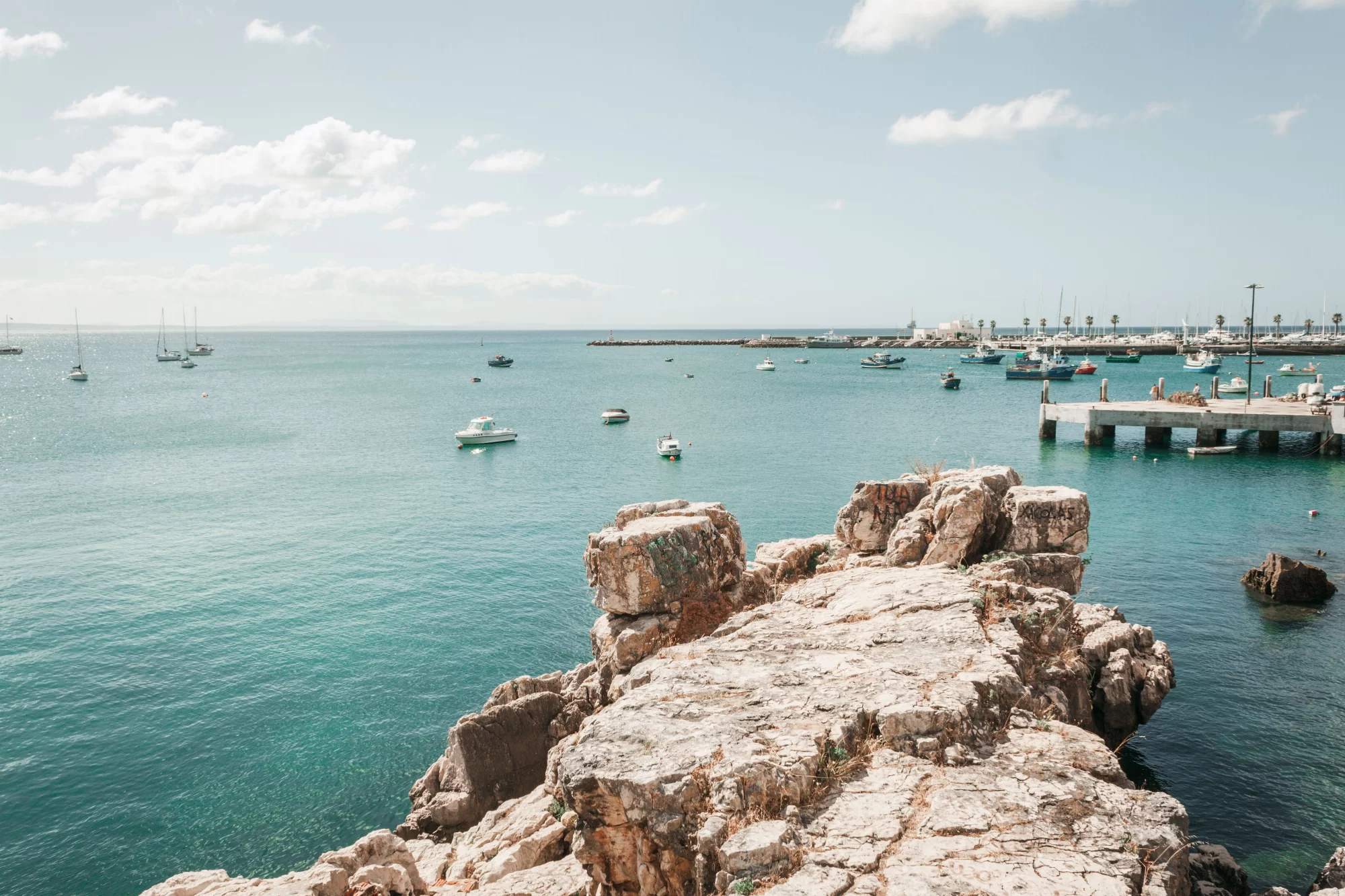
Walk into Mercado da Vila Cascais with an empty shopping bag and you may leave carrying tomatoes, bread, cheese and lunch. This practical guide explains what to eat, what to buy and how the Cascais food market works, including vendor schedules, payment habits and the easiest way to combine a visit with cycling around town. The most important detail is timing: stalls, restaurants and special market sessions do not necessarily follow identical hours, so confirm current vendor days and availability before setting out.
How the fresh market differs from the surrounding food spaces
Mercado da Vila is Cascais’s municipal market, but it is not one single, uniform shopping hall. Fresh produce stalls, specialist counters, cafés, restaurants and occasional events can operate to different rhythms. A quiet visit on one day may feel completely different from a busy traditional market session on another. That variation is part of its character, although it catches out visitors who assume every stall will be trading whenever the building is accessible.
Start with the fresh section if it is open. Seasonal fruit and vegetables tell you more about everyday Portuguese cooking than a shelf of tourist souvenirs ever will. Depending on the time of year and the traders present, you might find oranges, figs, tomatoes, leafy greens, peppers, potatoes and bunches of herbs. Fish, meat, flowers and other fresh goods may also be available, but individual counters and their operating days change. If one particular category matters to you, check the market’s official information or current Cascais municipal listings shortly before visiting.
What makes a good edible souvenir from Cascais
The best market purchases are usually the ones you can actually eat during the trip. Look for Portuguese cheese, cured meat, bread, olives, honey, olive oil, preserves and biscuits, while checking the label rather than assuming everything on display was produced in Cascais. A municipal market can sell excellent goods from across Portugal; “Portuguese” and “locally made” are not interchangeable.
This is one of the routes our driver-guides know particularly well, if you'd rather sit back and let someone else handle the day.
Explore Tours →Ask where a product comes from and whether it needs refrigeration. A firm cheese or sealed jar may travel well, whereas fresh cheese, sliced charcuterie and seafood belong in a cool bag and should not spend an afternoon in the sun. Travellers flying home also need to check the food-import rules of their destination. For a same-day snack, ripe fruit, bread and a small packet of biscuits are far less complicated than anything delicate.
Approach Mercado da Vila as a working market first and a visitor attraction second; you will shop better and understand Cascais more clearly.
Where to stop for prepared food
You do not need cooking facilities to enjoy the market. The wider Mercado da Vila complex includes places for coffee, snacks and full meals, although the exact businesses and opening patterns can change. This makes it useful for mixed groups: one person can sit down for a substantial lunch while another chooses something lighter.
Read the menu before taking a table, particularly if you are expecting traditional Portuguese cooking. Some places lean towards petiscos and familiar local flavours; others are more contemporary. A displayed daily dish can be good value, but ask what is included and whether drinks, bread or side dishes are separate. If seafood is priced by weight rather than by portion, request an estimated total before ordering. That small question prevents a surprisingly expensive lunch without creating any awkwardness.
When should you visit Mercado da Vila Cascais?
For produce, earlier is generally better: displays are fuller, delicate goods have spent less time in the day’s warmth and the market feels more purposeful. Arriving late can still work for a meal, but it is a poor strategy if you want a particular fish, vegetable or specialist seller. Weekends and scheduled market days may be livelier, with the obvious trade-off of larger crowds.
If you'd rather skip the parking and the timing altogether, this is exactly the kind of day our driver-guides run regularly.
See Private Tours →Do not rely on an old travel blog for opening times. Public holidays, seasonal routines, private events and individual vendor decisions can all affect what is operating. Check current information the day before, then check again if your visit depends on a particular stall. Restaurants in the complex may continue serving after fresh traders have packed away, so “the market is open” does not guarantee that every part of it is active.
How to shop without getting in anyone’s way
Market etiquette in Cascais is relaxed, but a little awareness helps. Begin with bom dia in the morning or boa tarde later in the day. English is widely understood in visitor-facing businesses, yet a Portuguese greeting is always a good start. Stand back while regular customers complete detailed orders, and avoid blocking narrow counter space while discussing where to have lunch.
- Ask before handling fruit, vegetables or unpackaged food; some traders prefer to select and bag produce themselves.
- Check whether the displayed price is per item, per portion or per kilogram, especially at fresh-food counters.
- Carry a reusable bag and a small amount of cash, even if you expect to pay by card. Payment methods can vary between independent vendors.
- If there is no obvious queue, ask who is last rather than assuming the person nearest the counter will be served next.
- Request permission before photographing traders, staff or close-up displays. The market is their workplace.
How to combine the market with a bike ride
Mercado da Vila is close to Cascais Train Station, making cycling the simplest way to connect a market visit with the rest of the town. Renting a bike near the station lets you stop at the market before exploring Cascais, without spending time searching for car parking. For a short ride, pack sturdy fruit, bread or sealed snacks in a pannier or well-fitted backpack. Keep glass jars upright and avoid hanging shopping bags from the handlebars, where they can swing into the wheel.
A private tour covers this route without you having to think about logistics — just show up and go.
Book a Tour →There is one sensible exception: buy cheese, meat, fish and other perishable goods after your ride, not before it. Cascais sunshine can warm a bag quickly, even when the Atlantic breeze feels cool. Secure the bike in an appropriate place outside the busy trading areas and walk through the market rather than wheeling it between customers. If rain, limited mobility or a large group makes cycling impractical, a short local transfer is the more comfortable alternative.
The best visit is not the one where you buy the most. It is the one where you arrive on the right day, ask a few useful questions and choose food that suits what you are doing next. Confirm the latest schedule, leave room for an unplanned snack and let the working rhythm of Mercado da Vila set the pace.