One cape is an easy half-day escape from Cascais; the other can consume most of a travel day before you even reach it. This Cabo da Roca vs Cabo São Vicente comparison looks at scenery, atmosphere, access and what each destination adds to a Portugal itinerary. For travellers with limited time around Lisbon and Sintra, Cabo da Roca is the clear choice. Cabo de São Vicente becomes more rewarding if you are already travelling through the Algarve.
How the two Atlantic capes actually differ
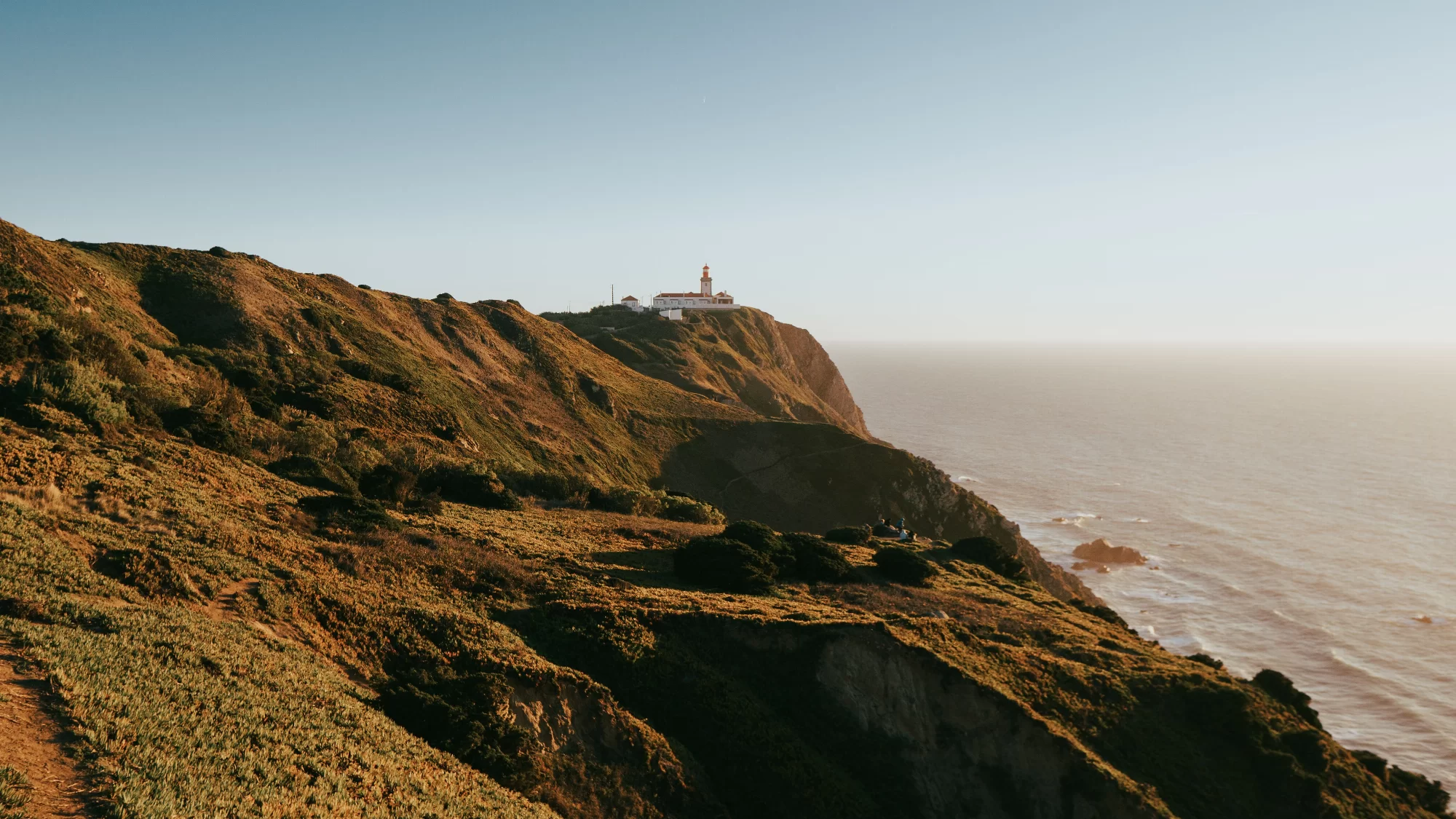
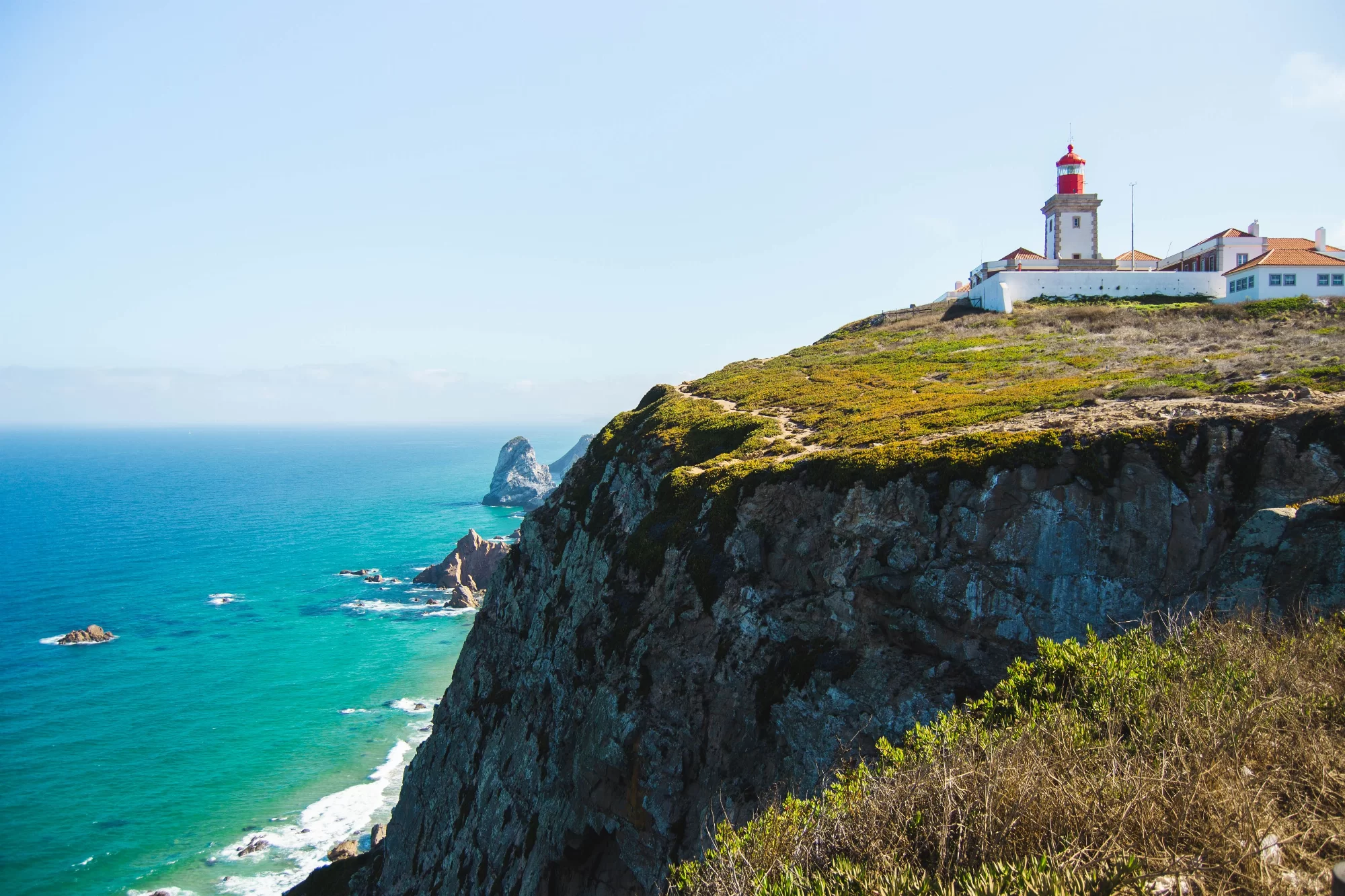
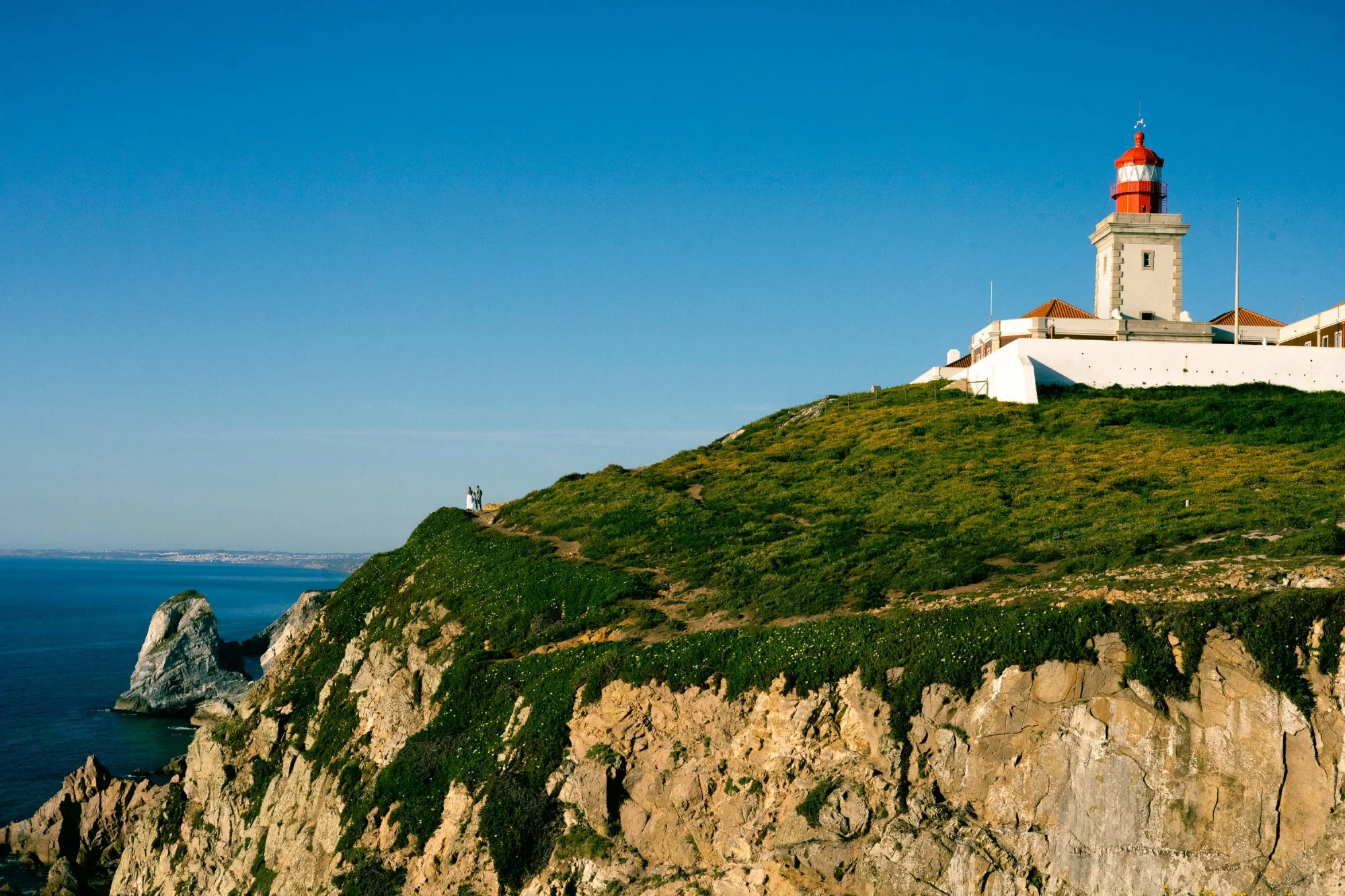
Cabo da Roca stands on the Sintra coast and marks the westernmost point of mainland continental Europe. Its appeal is immediate: high cliffs, open Atlantic water and the feeling that the land has simply run out. The stone monument and lighthouse give the headland a recognisable focal point, but the real spectacle is the coastline itself. On a clear day, the cliffs appear to fold north and south into the distance.
Cabo de São Vicente lies near Sagres, in the Algarve municipality of Vila do Bispo. It is often described as the southwestern edge of mainland Europe, and the setting feels broader and more austere than Cabo da Roca. The headland is flatter, the cliffs are formidable, and the horizon seems enormous. It also carries strong associations with navigation and Portugal’s maritime past, especially when paired with a visit to Sagres.
Cabo da Roca feels like a dramatic interruption to a Sintra day; Cabo de São Vicente feels like the destination at the end of a long road.
Cabo da Roca vs Cabo de São Vicente for limited time
Travel time settles the argument for most visitors staying in Cascais, Sintra or Lisbon. Cabo da Roca is close enough to fit into a morning or afternoon, and it can be combined naturally with Sintra’s historic centre, Pena Palace or Quinta da Regaleira. A private tour is particularly useful for this combination because Sintra’s hills, traffic and scattered sights can make independent connections slower than they appear on a map.
If you'd rather skip the parking and the timing altogether, this is exactly the kind of day our driver-guides run regularly.
See Private Tours →Cabo de São Vicente is several hours south of the Lisbon coast and makes little sense as a standalone day trip from this region. The journey becomes worthwhile once you are already staying in the Algarve or following a longer road trip through southern Portugal. From Sagres, the cape is a logical excursion; from Sintra, it is a major detour. Travellers trying to squeeze both capes into a short holiday usually end up spending too much time in transit.
That proximity is Cabo da Roca’s decisive advantage. You receive a convincing dose of wild Atlantic scenery without sacrificing an entire day that could otherwise be spent exploring Sintra.
Which cape offers the stronger experience?
Cabo de São Vicente has the edge in scale and remoteness. Its sparse surroundings and exposed position produce a genuine end-of-the-world mood, especially outside the busiest periods. If your ideal cape is stark, spacious and slightly severe, the Algarve headland is likely to leave the deeper impression.
Cabo da Roca is busier and more compact, yet its cliffs are no less dramatic. The experience also works better as part of a varied day. You can move from Sintra’s wooded hills and ornate architecture to the Atlantic coast in a relatively short distance, creating a contrast that Cabo de São Vicente cannot offer on its own. The trade-off is that Cabo da Roca often attracts tour groups, so arriving earlier in the day or later in the afternoon usually feels calmer.
This is one of the routes our driver-guides know particularly well, if you'd rather sit back and let someone else handle the day.
Explore Tours →Neither cape requires hours on site. At both, the weather shapes the visit more than the number of attractions. Wind, cloud and sea mist can turn a sunny viewpoint into a cold, low-visibility stop surprisingly quickly. Bring an extra layer even when conditions feel warm inland, and remain behind barriers near the cliff edge.
Should you cycle, tour or drive to Cabo da Roca?
For confident riders starting in Cascais, renting a bike turns Cabo da Roca into a proper coastal adventure rather than a quick photo stop. The ride is hilly, exposed to wind and shared with motor traffic, so it is not a casual beginner route. An e-bike makes the climbing more manageable, although good road awareness and controlled braking still matter. Check the forecast before leaving, carry water and allow enough daylight for the return journey. Riders uncomfortable with fast roads should choose another way to reach the cape.
A private tour is the stronger option if you want Cabo da Roca and Sintra on the same day. It removes the need to coordinate transport between the coast, the historic centre and hilltop monuments, while leaving room to adjust the schedule if fog hides the view. Driving offers similar flexibility, but parking and congestion around Sintra can make the day less relaxed.
A private tour covers this route without you having to think about logistics — just show up and go.
Book a Tour →Cycling to Cabo de São Vicente only makes sense as part of a dedicated Algarve cycling itinerary. It is not a realistic extension of a bike rental day from Cascais or Sintra.
Choose the cape that fits the rest of your route
- Choose Cabo da Roca if you are based in Cascais, Sintra or Lisbon, have only a few days, or want to combine Atlantic cliffs with Sintra’s palaces and historic streets.
- Choose Cabo de São Vicente if you are already visiting Sagres or travelling through the western Algarve and want a more remote, spacious headland.
- Visit both only if your itinerary already includes central Portugal and the Algarve. The contrast is interesting, but neither cape justifies distorting an otherwise sensible route.
For a westernmost-point Portugal comparison, the better view is not necessarily the better trip. Cabo de São Vicente is the grander standalone cape, but Cabo da Roca delivers far more value for limited time near Sintra. It is close, visually powerful and easy to pair with a completely different side of the region. Save the Algarve headland for an Algarve journey; do not spend half a short Lisbon-coast holiday chasing it.