At 8.30 in the morning, a Cascais café counter may be busy with people who stay for barely ten minutes: an espresso, a buttered bread roll, perhaps a pastry, then back out the door. That compact routine is the best introduction to a traditional Portuguese breakfast. This guide explains the coffee vocabulary, breads, toast, sandwiches and sweet options you will meet in Cascais, as well as how to recognise a modern brunch menu aimed mainly at visitors. It also covers how to order without hesitation and how to fit breakfast around a morning bike ride.
What a traditional Portuguese breakfast really looks like
Portuguese breakfast is usually smaller and simpler than the hotel buffets many travellers associate with holidays. On an ordinary weekday, people are not necessarily sitting down to eggs, fruit, yoghurt and several rounds of coffee. A more typical combination is coffee with bread and butter, toast, a small ham and cheese sandwich or one pastry. Orange juice might be added, but it is not an automatic part of the meal.
The setting matters too. For a traditional experience, look for a neighbourhood café or pastelaria rather than a place advertising an all-day brunch. A pastelaria is part bakery counter, part coffee stop and part informal meeting place. You may see customers ordering at the counter while others sit at tables. Table service is common, although the rhythm can be brisker than in a brunch café. If you are unsure whether to order at the counter, pause for a moment and watch what other customers do.
Breakfast in Cascais can feel more leisurely around the historic centre and the waterfront because many visitors are on holiday, but the underlying food remains straightforward. A local-style order does not need six components. Coffee and a well-buttered torrada is a complete breakfast, not an unfinished version of one.
A traditional Portuguese breakfast is modest by design: strong coffee, good bread and no need to turn the morning into a banquet.
How to order coffee in Cascais without guessing
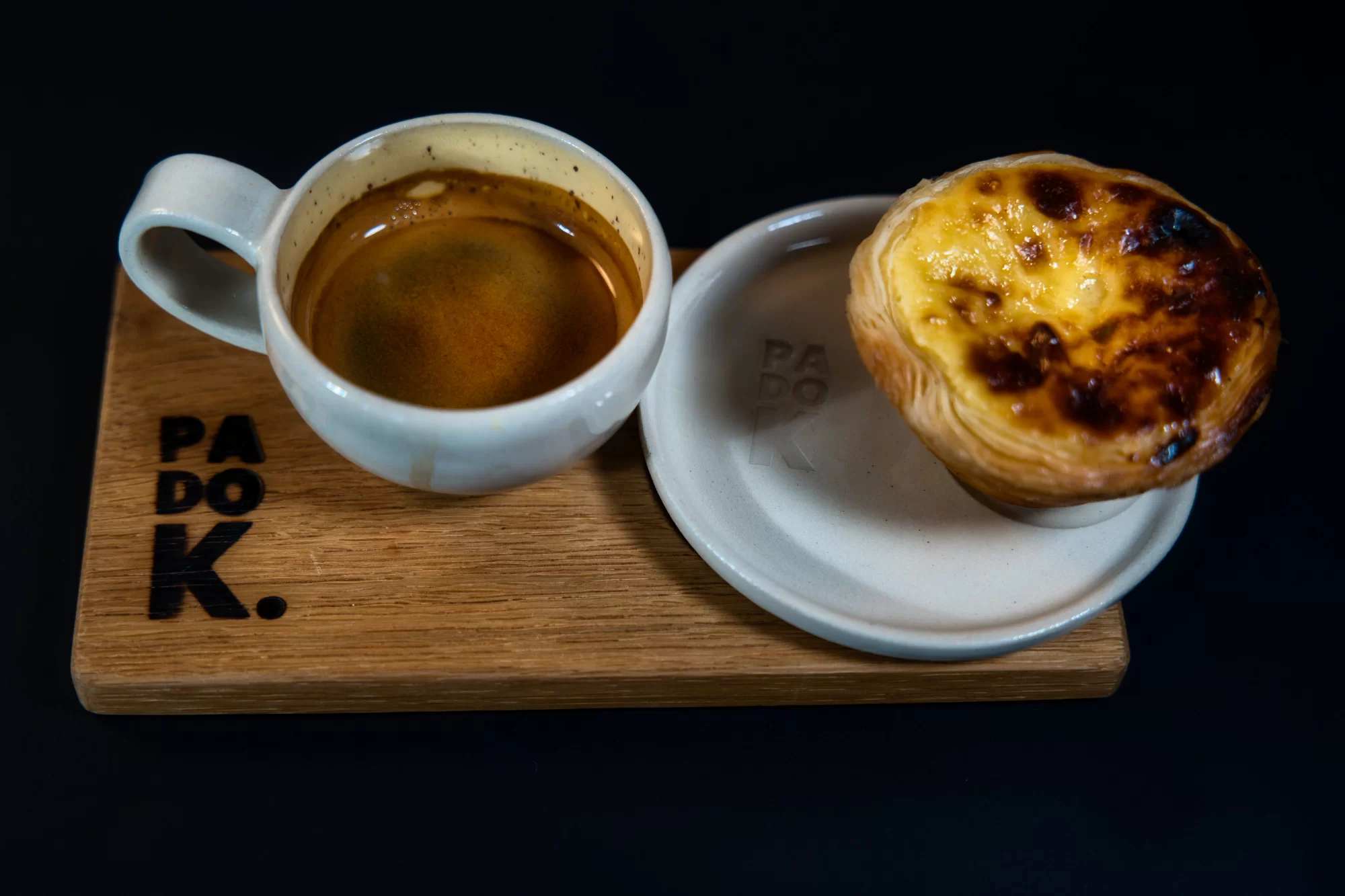
If you ask for um café, you will normally receive a small espresso. In the Lisbon region, including Cascais, you may also hear people ask for uma bica. The two orders generally lead to the same compact, strong coffee. Visitors sometimes expect the word café to mean a longer cup, so this is the first useful distinction to learn.
For something longer and less concentrated, ask for an abatanado, which is closer to an Americano, although the exact strength and cup size vary between cafés. A meia de leite is coffee with a generous amount of milk, usually served in a cup. A galão contains even more milk and commonly arrives in a tall glass. If you want an espresso softened with a little milk, ask for a garoto. Vocabulary and preparation can differ slightly from one counter to another, so pointing to the cup size you want is perfectly acceptable.
A private tour covers this route without you having to think about logistics — just show up and go.
Book a Tour →Useful phrases are short. Um café, por favor means one espresso, please. Queria uma meia de leite is a polite way to request a milky coffee. Ask for descafeinado if you want decaf. Cow’s milk remains the traditional default; oat, soy or other alternatives are increasingly available in visitor-oriented cafés, but they should not be assumed in every small pastelaria.
- Café or bica: a small espresso.
- Abatanado: a longer black coffee.
- Meia de leite: coffee and plenty of milk, usually served in a cup.
- Galão: a very milky coffee, often served in a tall glass.
- Garoto: espresso with a small amount of milk.
- Descafeinado: decaffeinated coffee.
Sugar sachets are often placed on the table or served with the cup. Portuguese espresso can taste sharp if you usually drink filtered coffee, but try it before adding sugar. It is meant to be concentrated, and a sip alongside buttered bread or a sweet pastry changes the balance.
Which breads, toast and pastries belong on the table
The most dependable savoury choice is pão com manteiga, bread with butter. It might be a small crusty roll rather than sliced bread. A torrada is generally thicker and more substantial than the dry triangles produced by a household toaster. It is often served in pieces with butter melted across the surface. If you want less butter, say com pouca manteiga; if you want it without butter, ask for sem manteiga.
For something more filling, order a tosta mista, a toasted ham and cheese sandwich. The cold or untoasted relative is a sandes mista. On menus, fiambre means ham and queijo means cheese. These are everyday café foods rather than elaborate breakfast specials, and they work well before a long walk or ride because they are quick, familiar and not excessively heavy.
Sweet breakfast is common too, but not everyone begins each day with a custard tart. A pastelaria counter may hold croissants, plain cakes, coconut-topped buns, sweet bread and regional or house specialities. Portuguese croissants can be quite different from crisp French ones: some are soft, rich and slightly sweet, closer to brioche. If you want the classic custard tart, ask for a pastel de nata, but choose by freshness rather than treating it as the compulsory national breakfast.
If you'd rather skip the parking and the timing altogether, this is exactly the kind of day our driver-guides run regularly.
See Private Tours →A useful approach is to order coffee first and then look at the counter. You can point and ask o que é isto?, meaning what is this? Staff in central Cascais often deal with international visitors, but a few Portuguese words make the exchange easier. They also help you discover what has just come from the kitchen instead of relying only on a translated menu.
Where traditional breakfast ends and brunch begins
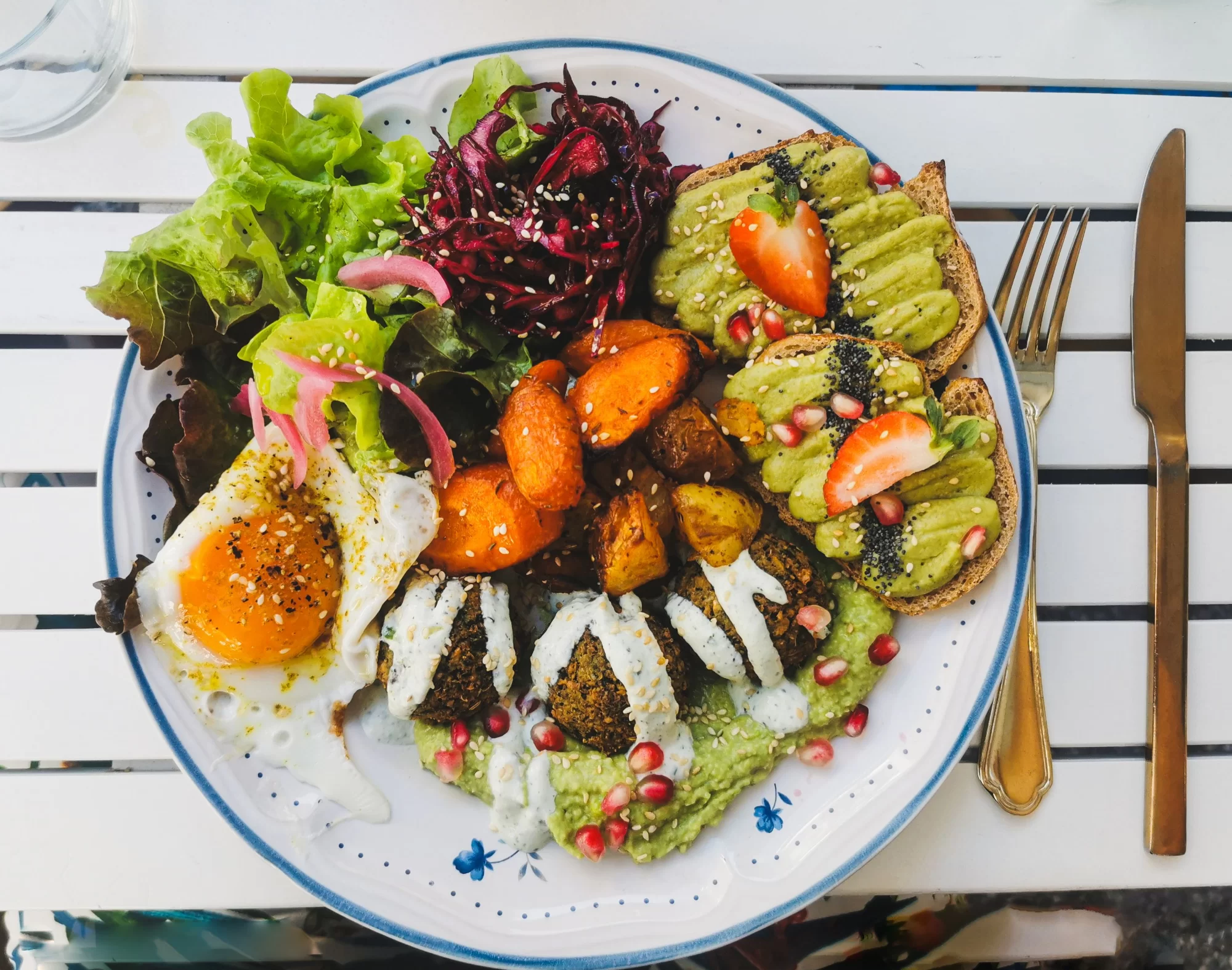
Avocado toast, eggs Benedict, smoothie bowls, stacked pancakes and speciality coffee can all be found on the contemporary breakfast scene, but they are not a traditional Portuguese morning meal. They belong to modern brunch culture. There is nothing wrong with choosing them, particularly if you want a long meal or need a substantial plate before an active day. Just do not mistake an internationally styled brunch menu for evidence that local residents have always eaten poached eggs and granola before work.
The distinction is often visible before you sit down. A pastelaria typically displays pastries and bread behind glass, serves familiar coffee combinations and offers straightforward sandwiches. A brunch-focused café is more likely to have plated dishes, multiple toppings, fresh juices and longer preparation times. Prices also tend to reflect the larger portions, ingredients and slower table turnover, although exact differences depend on the venue.
If you are deciding where to have breakfast in Cascais, choose according to the morning you actually want. For a quick, traditional stop, find a busy café with bread, pastries and espresso moving steadily across the counter. For a relaxed late start, brunch makes sense. Families may appreciate the broader choice, while hungry cyclists may benefit from eggs, oats or a larger sandwich. Authenticity is not a competition; the useful part is knowing which experience you have ordered.
How to plan breakfast around a Cascais bike ride
Cascais is particularly pleasant by bike in the morning, before the day becomes busier and the Atlantic wind has had time to strengthen. Renting near Cascais Train Station lets you have breakfast in the centre either before collecting the bike or shortly after setting out. For a gentle ride, a meia de leite with toast or a tosta mista usually gives enough energy without leaving you uncomfortably full. Carry water even if the air feels cool, because coffee is not a substitute for hydration.
This is one of the routes our driver-guides know particularly well, if you'd rather sit back and let someone else handle the day.
Explore Tours →If you plan to ride from central Cascais towards Boca do Inferno and farther along the coast, judge breakfast by effort and weather rather than distance alone. Wind can make the outward or return leg more demanding. A pastry and espresso may be fine for a short spin, but a longer coastal morning calls for bread, cheese, ham, yoghurt or another source of sustained energy. Avoid balancing takeaway coffee from the handlebars. Finish it at the café, secure any food inside a bag, and keep wrappers from escaping in coastal gusts.
Cycling should be the first choice for travellers who are comfortable riding and want the freedom to stop at viewpoints or return for a second coffee. A guided tour can suit anyone who prefers local context and a planned route. In heavy rain, with limited mobility or with very young children, a transfer or short taxi journey may be the more sensible option. Breakfast itself need not become complicated: eat something familiar, leave time for digestion and save the sprawling brunch for a slower day.
The most convincing Portuguese breakfast in Cascais is often the least theatrical one. Step into a pastelaria, order the coffee size you actually want, add fresh bread or one appealing pastry, and pay attention to the rhythm around you. Once you understand the difference between a bica, a galão and a meia de leite, the morning menu stops looking cryptic and starts feeling pleasantly simple.