A calm morning in Sintra can become a wet, gusty afternoon at Cabo da Roca. This guide explains what Cabo da Roca weather feels like in winter, what to wear, how shorter daylight affects your visit and why a flexible plan matters more than a perfectly timed itinerary.
What Cabo da Roca feels like in winter
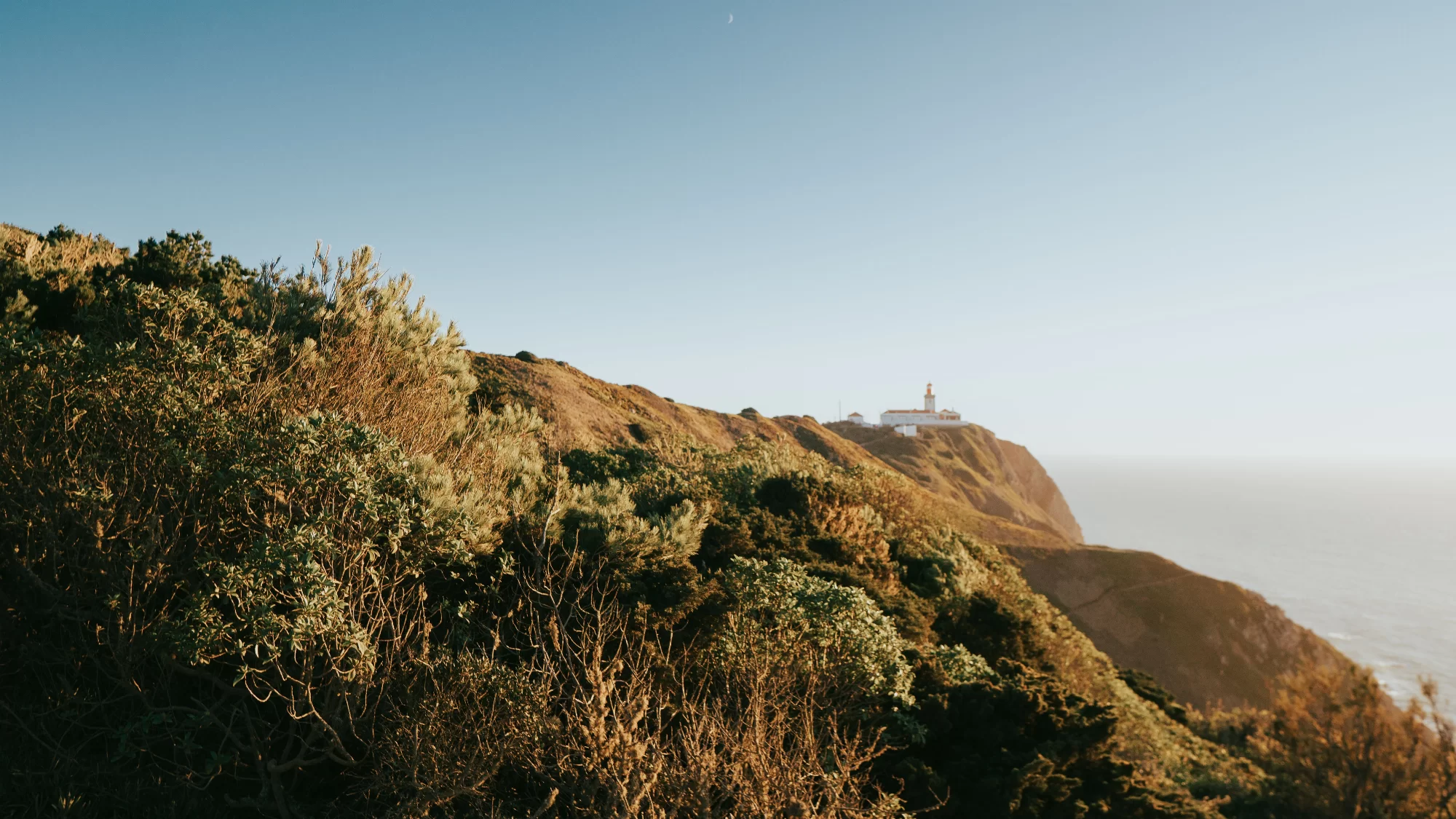
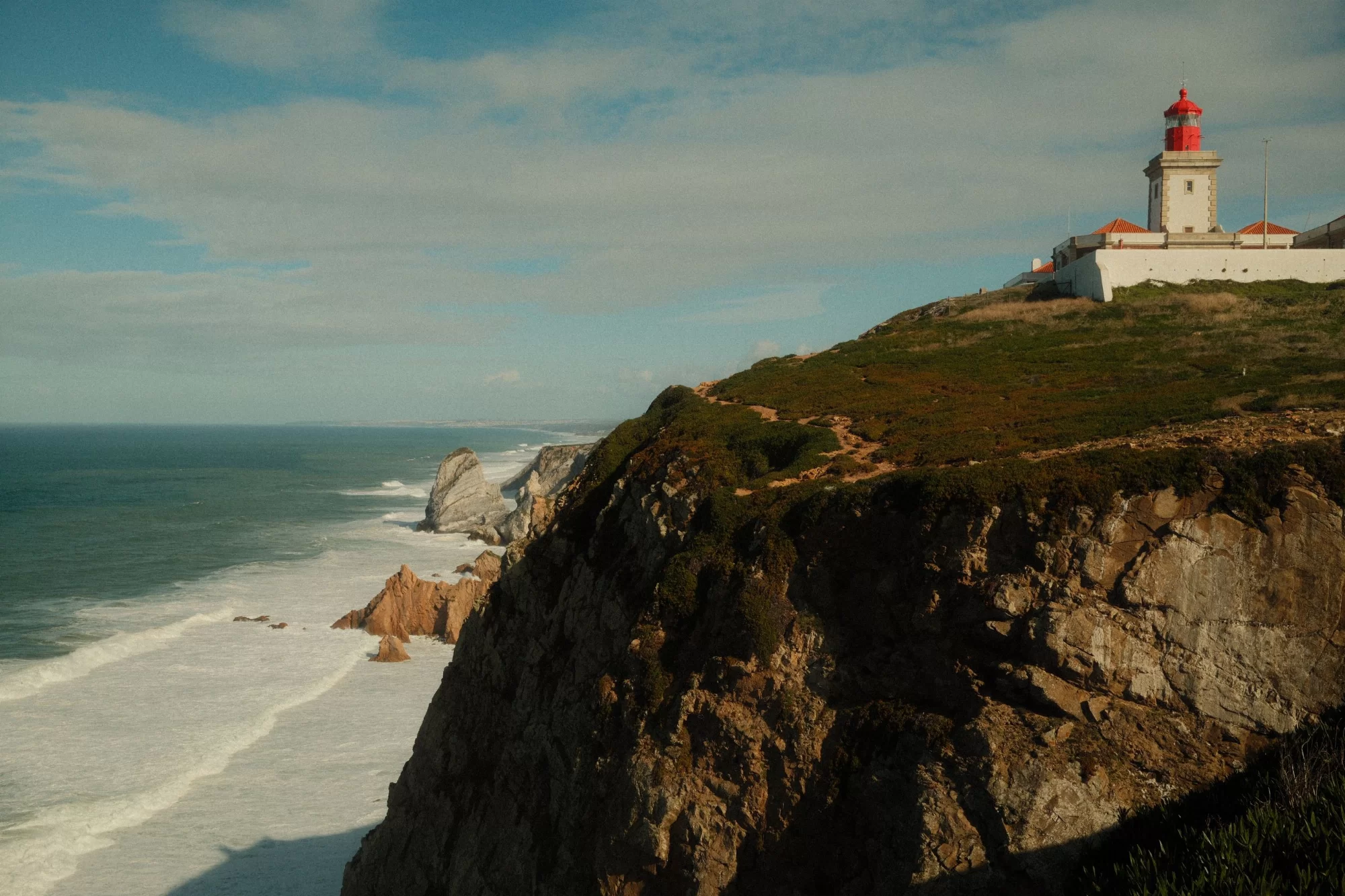
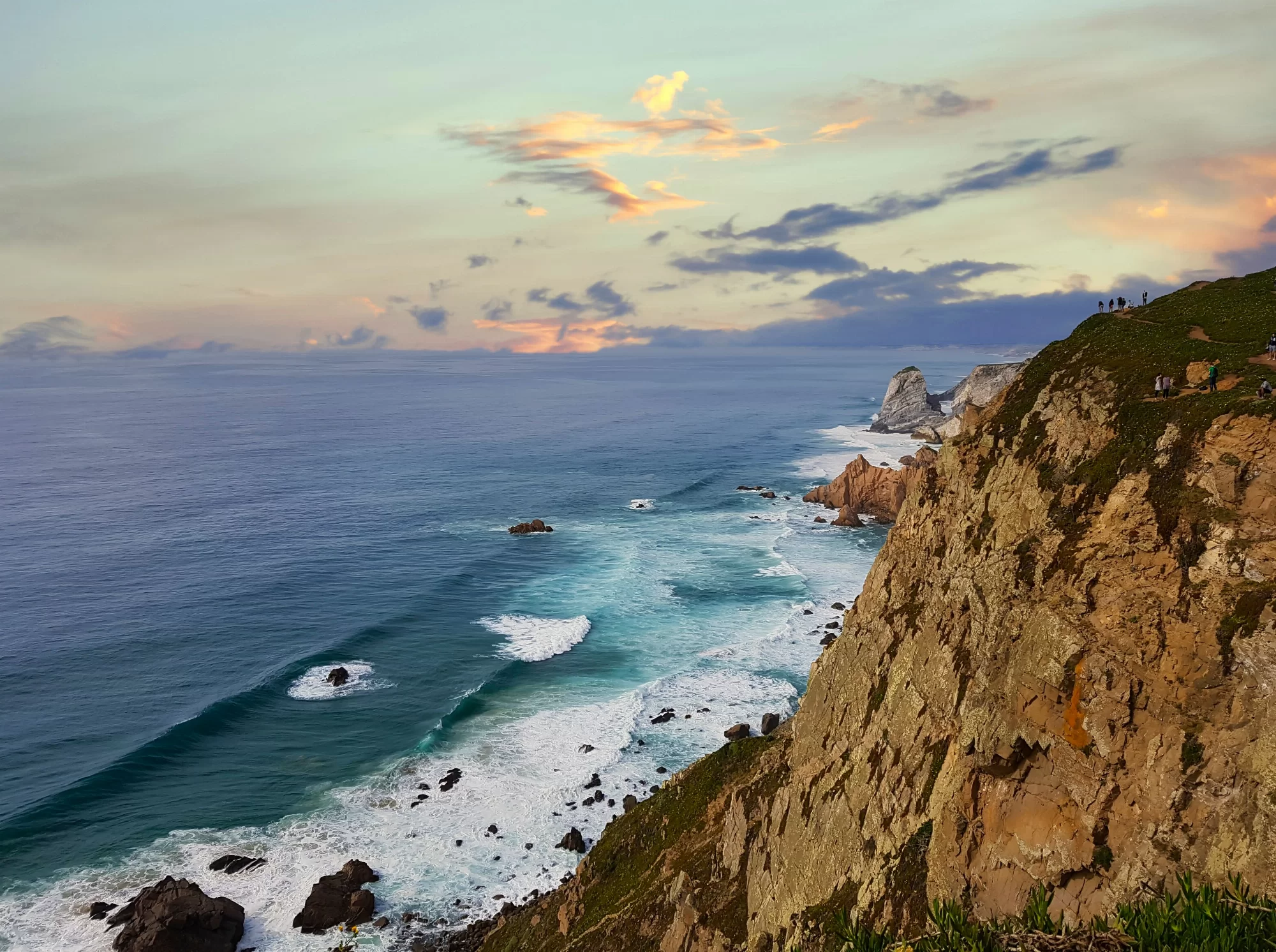
Cabo da Roca is exposed directly to the Atlantic, with little shelter around the main viewpoint and lighthouse. Winter gives the cape a raw, cinematic atmosphere: waves rolling below the cliffs, fast-moving cloud and a horizon that can switch from bright silver to dark grey within minutes. On clearer days, the low seasonal light can be beautiful. On rough days, the wind is the main event.
Temperatures around Sintra may sound relatively mild on a forecast, particularly compared with northern Europe. That number does not describe the whole experience. Wind chill, damp air and spray can make the cape feel considerably colder than Sintra’s historic centre or nearby Colares. Rain may arrive in a short burst rather than settling in for the entire day, although prolonged wet spells are also possible. No reliable plan should promise sunshine, mist or dramatic waves on a particular date.
Dress for the wind waiting at the cape, not the sunshine outside your window in Sintra.
How to read the Cabo da Roca weather forecast
Do not rely on a simple weather icon. A cloud-and-sun symbol tells you very little about an exposed headland. Look separately at wind speed, gust strength, rainfall timing and visibility. Gusts matter especially because they can affect balance while walking and make cycling unpleasant or unsafe. Check the forecast the evening before, then again on the morning of your visit; coastal systems can shift in timing.
It also helps to look beyond the hourly forecast for Sintra. Cabo da Roca’s conditions may be windier and wetter than a sheltered inland location only a short distance away. Rain radar can show whether a shower is isolated or part of a larger band. Even then, treat the information as guidance rather than a guarantee. If the morning looks calmer than the afternoon, go earlier instead of waiting for a theoretical sunset that may vanish behind thick cloud.
A private tour covers this route without you having to think about logistics — just show up and go.
Book a Tour →Keep one alternative in reserve. If visibility collapses or strong gusts make the cape uncomfortable, spend more time in Sintra’s historic centre or consider the National Palace of Sintra after checking current admission and opening information. This is better than forcing a cliff visit simply because it appears on the day’s schedule.
What to wear at Cabo da Roca in winter
A heavy coat is not always the smartest answer. Several adjustable layers work better because the air can feel cold at the viewpoint but much warmer once you move inland or begin climbing on a bike. Start with a breathable base layer, add fleece or wool for insulation and finish with a windproof, waterproof shell. The outer layer is the important one; a warm jumper alone will not stop Atlantic wind.
- A waterproof shell with a hood: Choose one that closes securely around the neck and does not flap excessively in gusts.
- A warm mid-layer: Fleece or wool continues to feel useful in damp conditions and can be removed if the day brightens.
- Quick-drying trousers: Denim becomes cold and heavy after rain, so it is a poor choice for a long outdoor visit.
- Grippy closed shoes: Wet surfaces and muddy path edges call for proper soles rather than smooth fashion trainers.
- Gloves and a close-fitting hat: Both earn their place on windy days. Avoid loose hats that can disappear over a barrier.
- A small dry bag or backpack cover: Protect your phone, spare layer and any food from sudden rain.
Carry sunglasses as well. Winter glare off the ocean can be sharp when the cloud breaks, and sun protection still makes sense during a longer outdoor day. I would leave the umbrella behind. At an exposed cape it is awkward, easily damaged and far less useful than a good hood.
If you'd rather skip the parking and the timing altogether, this is exactly the kind of day our driver-guides run regularly.
See Private Tours →How cycling changes the winter plan
Cycling is the most rewarding way to experience the changing terrain around Cabo da Roca, but winter is not the time to commit blindly. Riders travelling from Cascais into Sintra municipality should assess wind and rain before departure, not once they reach the exposed final section. Renting an e-bike in Cascais can make the climbing more manageable, though electric assistance does not solve poor visibility, slippery roads or strong crosswinds.
Wear bright clothing and use working front and rear lights, even during daytime. Low cloud and rain can reduce visibility well before sunset. Waterproof gloves are particularly useful because cold, wet hands make braking and gear changes less comfortable. Pack layers where they remain dry, and allow extra time for slower riding, an unexpected shower or a decision to stop in Colares rather than continue.
If gusts are strong enough to disturb your line on the road, do not treat that as part of the adventure. Change the route or use motorised transport. A private transfer or guided outing is the more sensible choice for families with very young children, travellers with limited mobility or anyone facing a day of persistent rain.
How shorter daylight should shape your visit
Winter daylight is limited, and dark cloud can make the afternoon feel later than the clock suggests. Plan the cape as the fixed outdoor part of the day, with everything else arranged around it. Leave a generous margin before dusk, particularly if you are cycling. The goal is not merely to reach the viewpoint in daylight; you also need enough light for the return journey.
This is one of the routes our driver-guides know particularly well, if you'd rather sit back and let someone else handle the day.
Explore Tours →Avoid building the whole visit around sunset. Cabo da Roca may deliver a spectacular one, but it may also disappear into fog or a bank of cloud. An earlier visit gives you more room to wait through a passing shower and reduces the pressure to remain near exposed cliffs as visibility fades. Carry water and a snack, and do not depend on finding a full meal at the cape at a particular hour.
Is winter the best season for Cabo da Roca? For a first visit with longer daylight and a better chance of comfortable outdoor conditions, late spring or early autumn is my recommendation. Winter wins on atmosphere and can feel wonderfully uncrowded, but only for travellers prepared to adjust the day. Pack for wind, check conditions twice and be willing to turn back. That flexibility is what makes a winter visit memorable rather than miserable.